People Profiles
Agriculture Ancestral Knowledge Ancestral Memory Bahamas Black Joy Building Bush Medicine Canning Cat Islands Christmas Church Civil Rights Climate Community Cooking Costa Rica Craft Culture Education Elders Emancipation Entrepreneur Faith Family Farming Fellowship Fishing Food Food and Memory Food preservation Food Scarcity Foodways Gardening Generational Exchange Generational Knowledge Harvesting Healing Healing the Sick Health Heritage High blood pressure History Holiday Meals Holidays Holistic Medicine Home Home Cooking Hunting Identity Indigenous Integration Intergenerational Bonds Intergenerational Experience Intergenerational knowledge Junkanoo Justice Labor Land Legacy Lore Memory Mental health Migration Music NAACP Nature Plant-based Poetry Preservation Racism Rake and Scrape Recipes Religion Remedies Resilience Respect Rumors Seafood Segregation Self-sufficiency Simplicity Slavery Soul Food South Carolina Southern Hospitality Southern Roots Spirituality Stories Storytelling Support Systems Sustainability Talbot County Thanksgiving Tools Tradition Traditional Traditions Washington D.C. Wellness Work Ethic
To engage with the above word cloud, select a word or theme to see which profiles reference it!
-
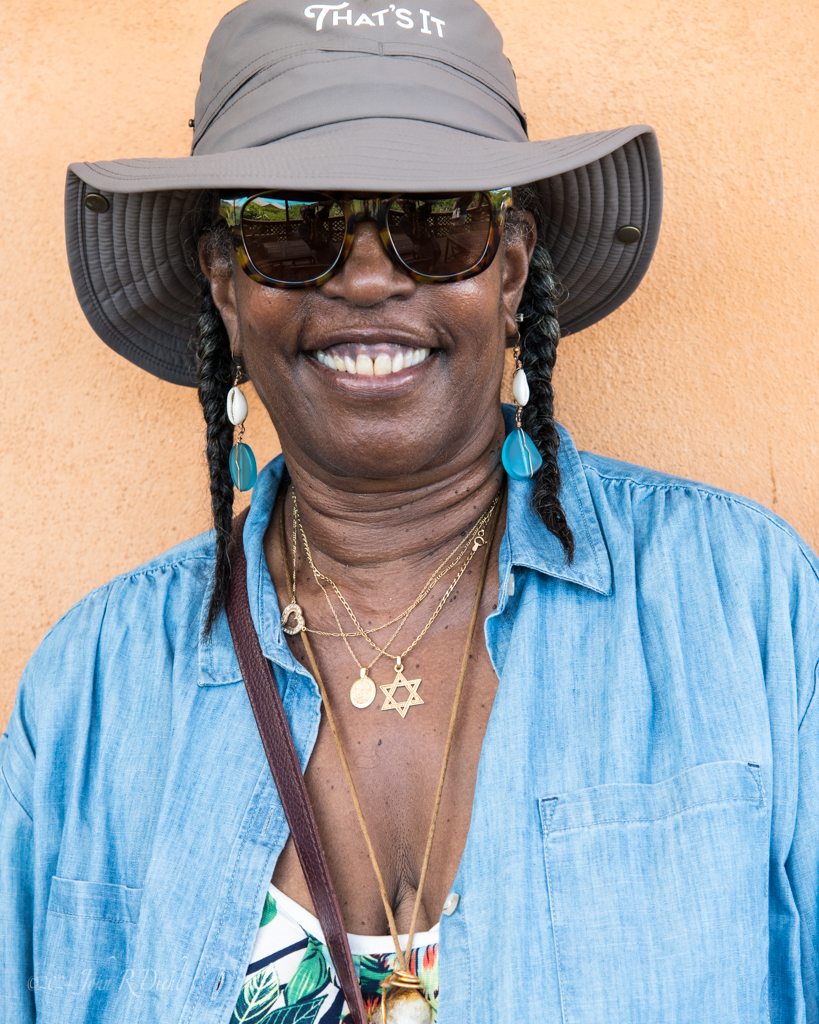
Pamela Poitier
Born in the United States, Pamela Poitier now lives off the grid on the north side of Cat Island. Ms. Poitier acts as an educator and playwright who enjoys working with the children of Cat Island and learning traditional values, culture, and history from community elders. Ms. Poitier was interviewed at Shannas Cove Resort on
-
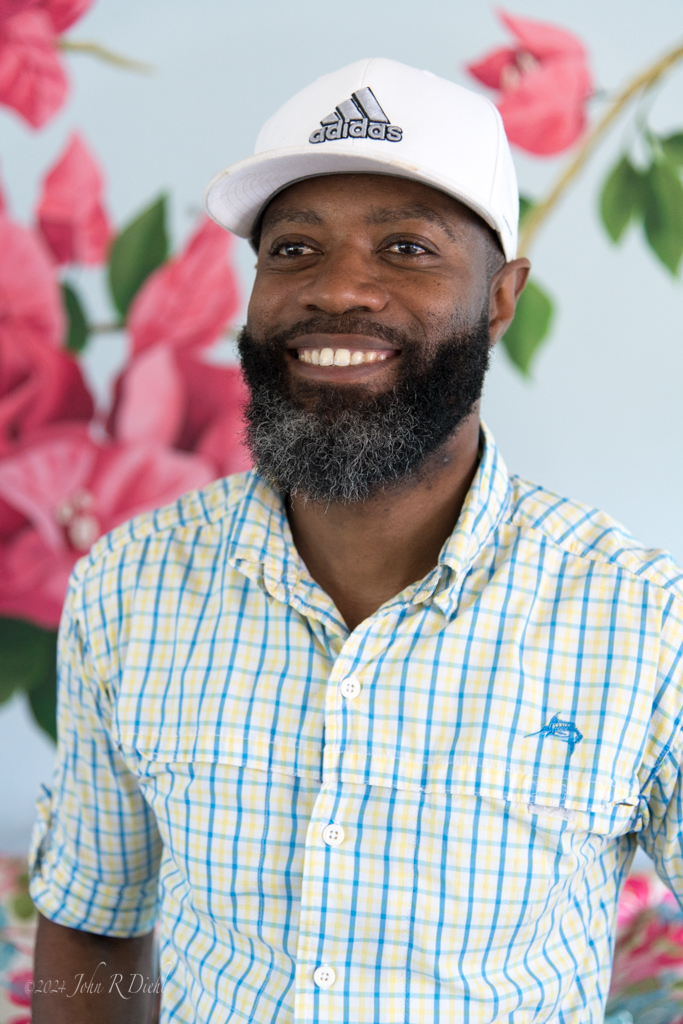
Jamaal Moncur
Dr. Jamaal Moncur is a renowned herbalist and natural medicine practitioner from Cat Island, Bahamas. Raised in a community rich with traditional knowledge, Dr. Moncur has dedicated his life to preserving and sharing the medicinal wisdom. He was mentored by the world-famous herbalist Dr. Sebi and has studied at various institutions, including the Kingdom College
-
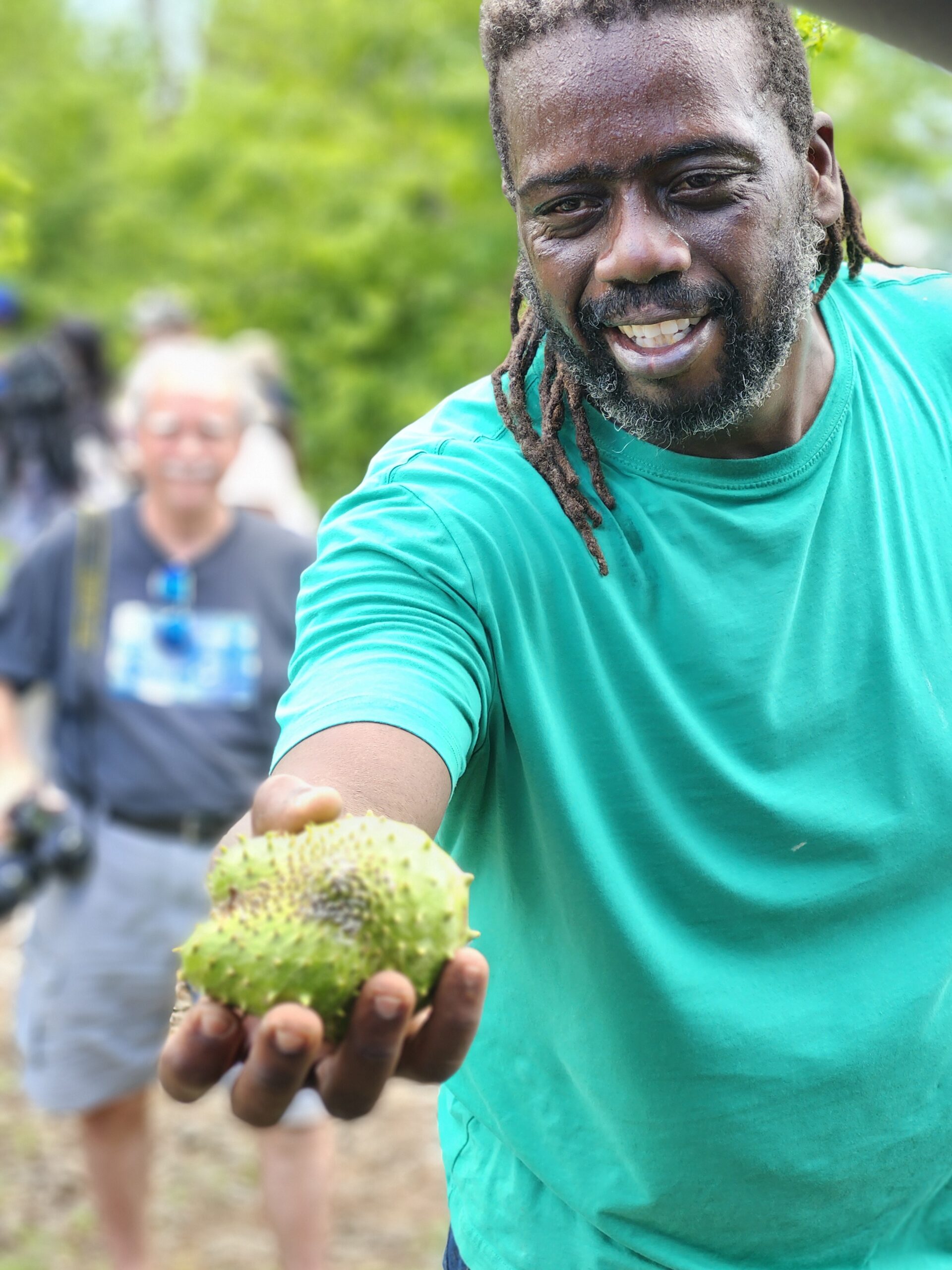
Ian & Ivan Cleare
Ian and Ivan Cleare are dedicated farmers who combine traditional Lucayan and African farming techniques with local adaptations to thrive in their new environment. They use a mix of traditional tools such as machetes and pickaxes, alongside modern equipment like chainsaws, to manage their farm effectively. Their farming practices are deeply rooted in both inherited
-
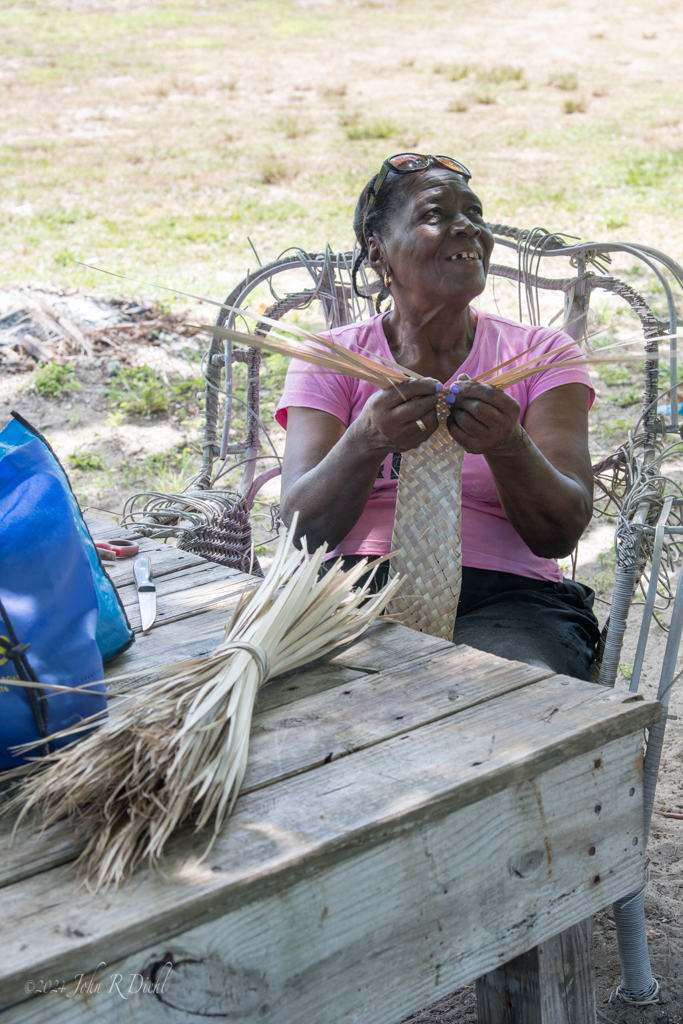
Bloneva Hunter
Bloneva Hunter is the mother of Daisy Mae Hunter. The research team was able to meet and interview the elder Ms. Hunter when they visited the family’s property. The elder Ms. Hunter spoke of her youth, career, family history, and learning ways of cooking and plaiting. She specifically focused on her children and the occupations
-
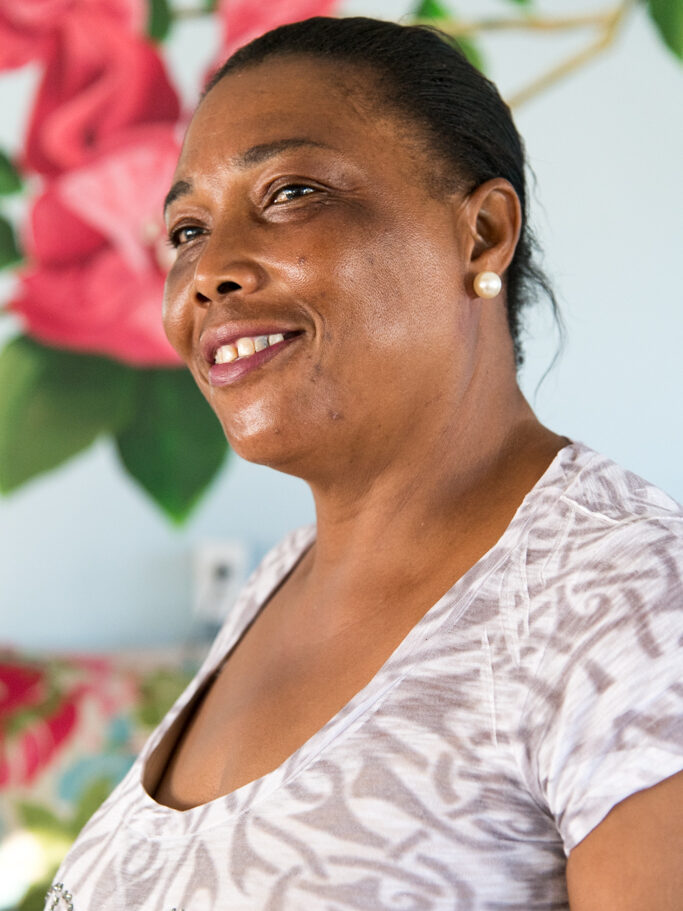
Daisy Mae Hunter
Daisy Mae Hunter is a farmer, crafter, and specialist for knowledge on bush medicine. The research team first conducted their interview with Ms. Hunter at the Rollezz. Ms. Hunter described the bush medicine available on Cat Island and her role in sharing information throughout the community. Ms. Hunter also spoke about food traditions in her
-
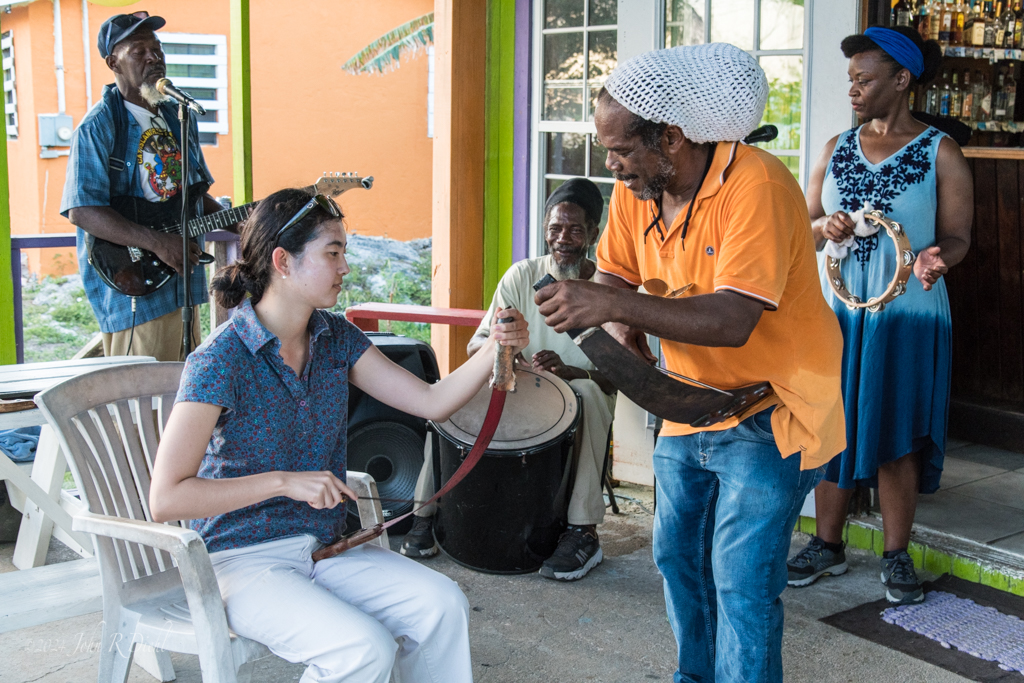
Julian Russell
Julian Russell is a Rake-and-Scrape musician with his own band and the owner of Da Smoke Pot, which serves traditional Bahamian food. Julian and his band performed for us, using traditional Rake-and-Scrape instruments: saws, screwdrivers, drums, guitar, and other miscellaneous objects. Julian gave us all the chance to play the saw with the screwdriver. Julian
-
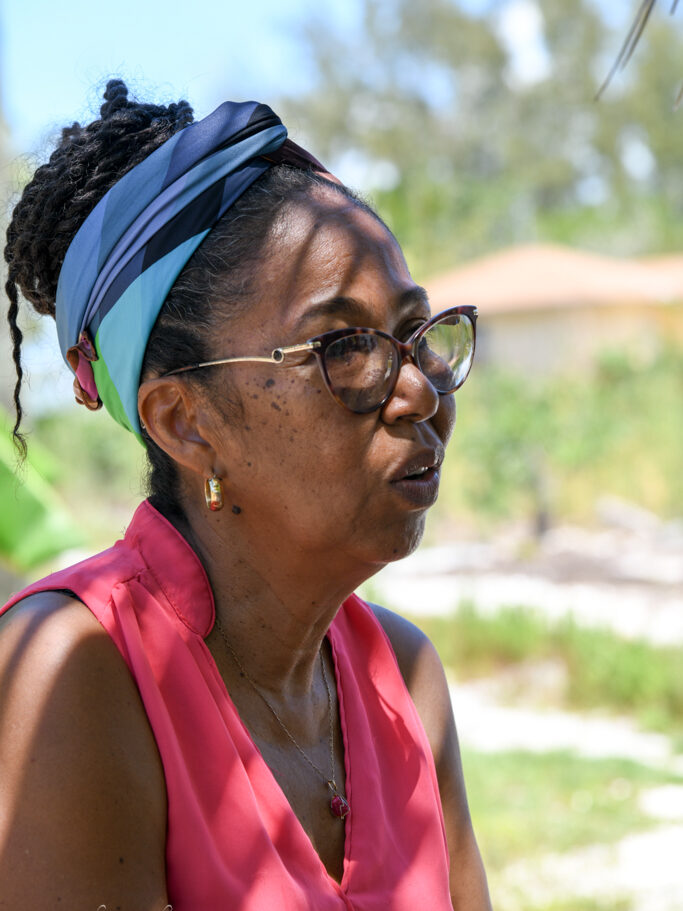
Rita King
Rita King is the wife of Garth King, and the couple lives together on the land of Mr. King’s ancestors. Ms. King was born in Costa Rica, but came to Cat Island on a teaching contract almost two decades ago. When half of the research team viewed Mr. King’s property, the other half stayed behind
-
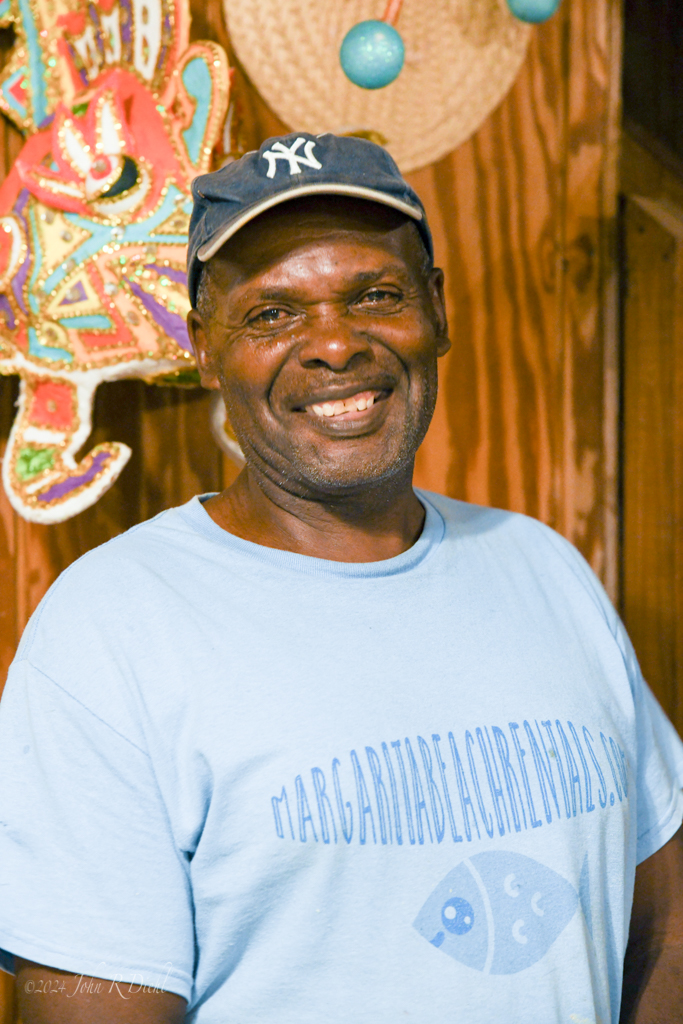
Harrison King
Harrison King holds a variety of roles on Cat Island including farmer, hotel and restaurant owner, bus driver, housing plan drafter, and pastor. The research team, alongside Yvonne and Margaret Rolle, arrived at Mr. King’s restaurant and were hosted for a meal of traditional Bahamian foods sourced from Mr. King’s farm. Afterwards, the research team
-
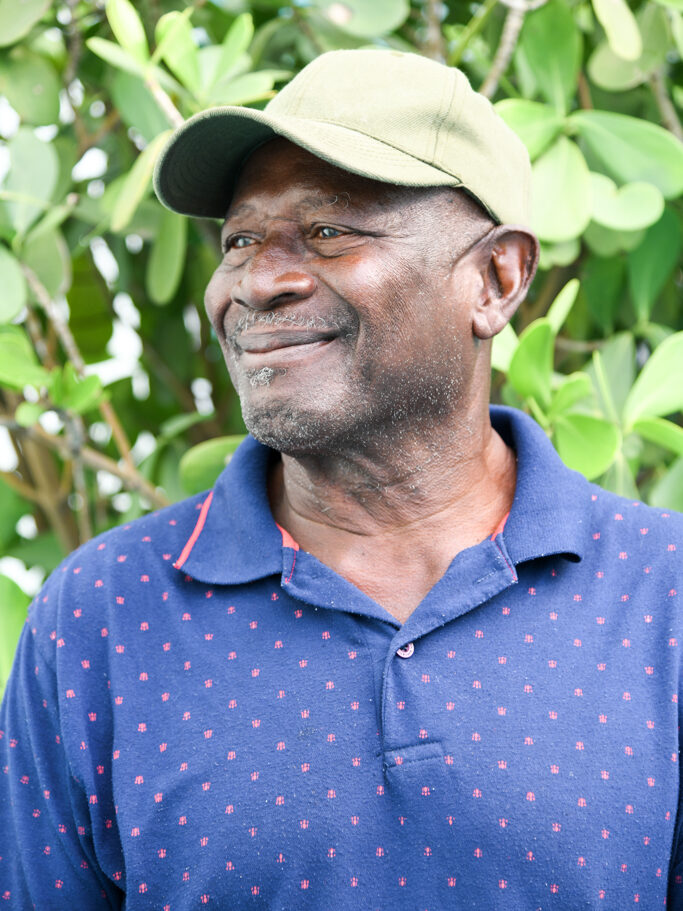
Christopher Stubbs
Mr. Christopher Stubbs is a versatile and esteemed individual from Cat Island, Bahamas, with a diverse background and extensive contributions to his community. His life’s journey includes roles as a farmer, landowner, teacher, commissioner, and police officer. Born and raised in a time when modern medical facilities were scarce, Mr. Stubbs grew up witnessing the
-
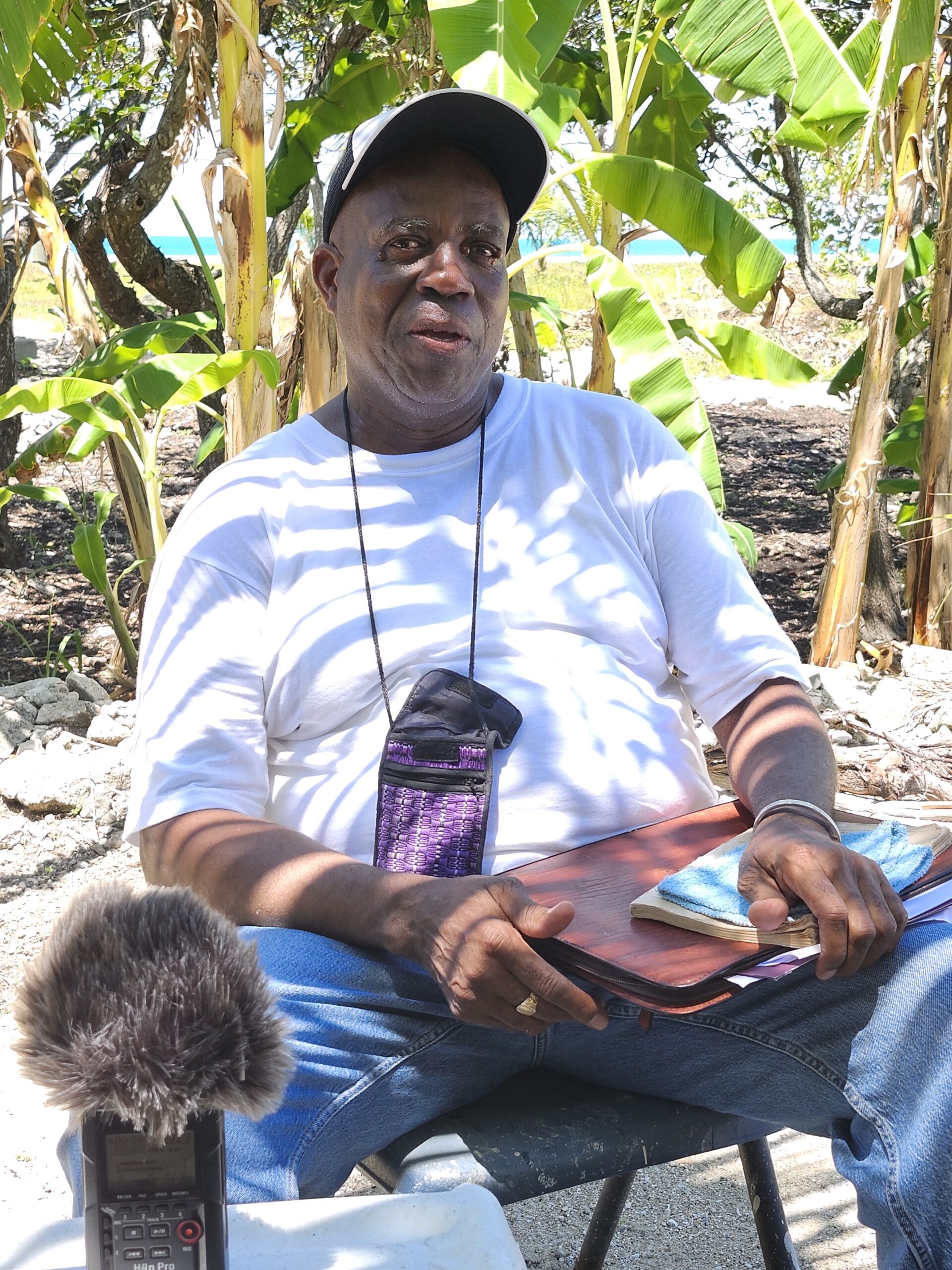
Garth King
Garth King, a former educator on various islands throughout The Bahamas, now farms on the land that used to belong to his grandmother. Mr. King lives with his wife, Rita King, who immigrated from Costa Rica. The research team received a tour of the Kings’ property which includes a pond with turtles, a prospective museum,
-
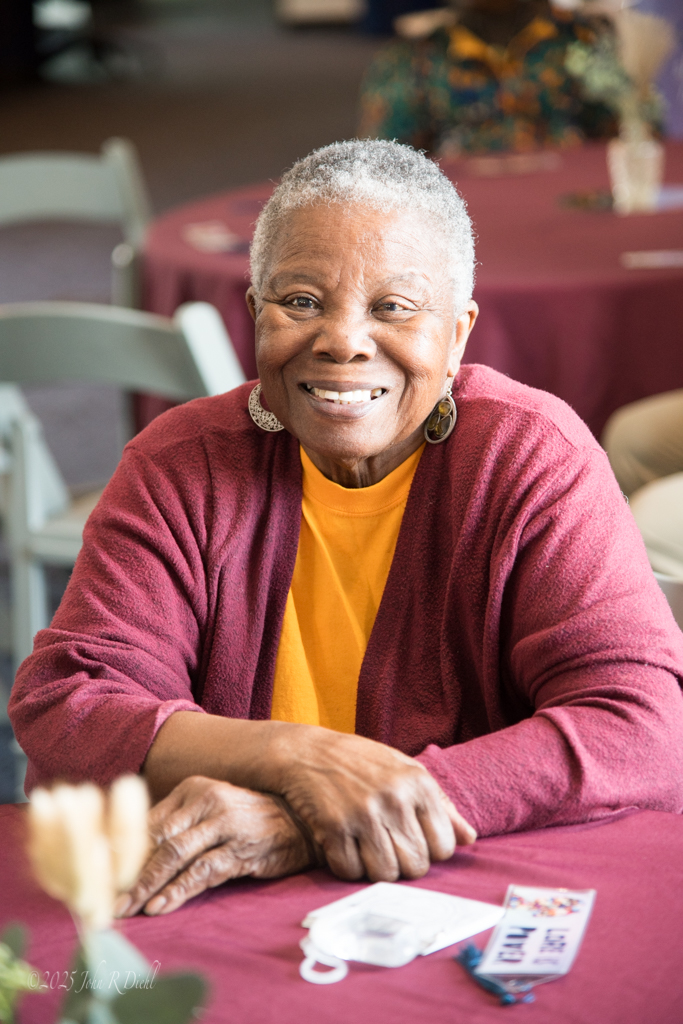
Mary Dash
Mary Dash shared joyful memories of fishing trips in South Carolina, recounting a childhood moment when her fear of crossing a log over a pond led her mother to come back and help her. That day ended with her catching about six fish—mainly catfish and croakers. She also remembered another special day when a woman
-
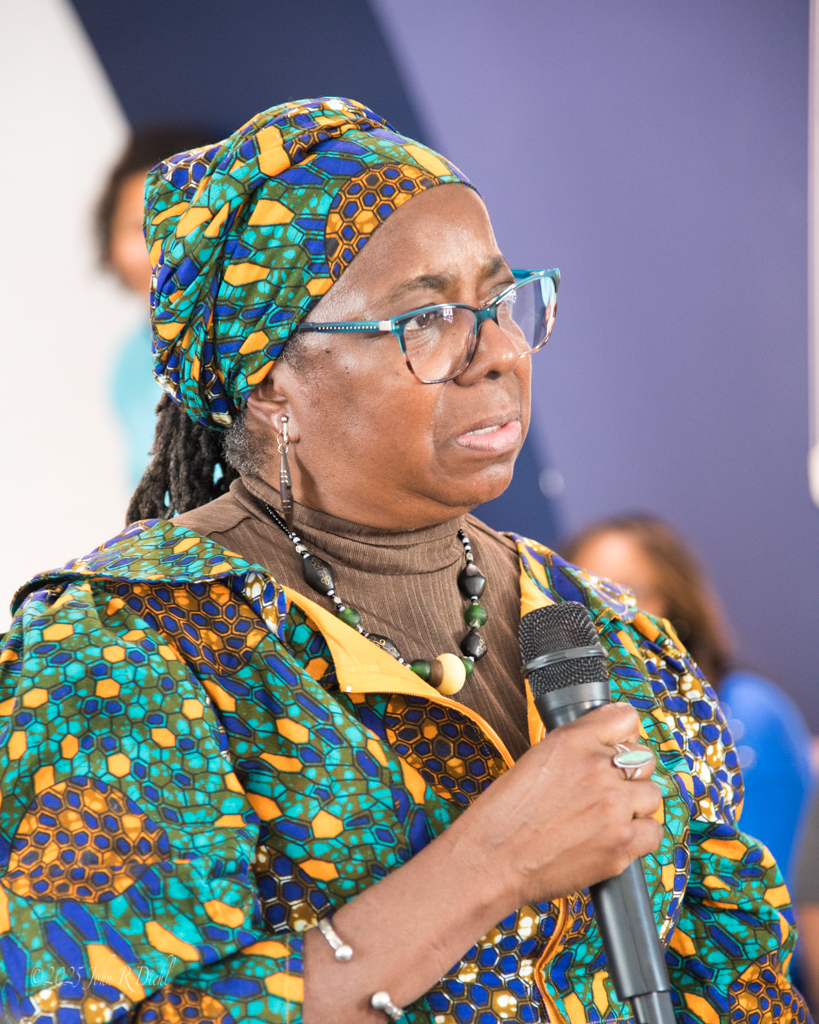
Akua Kouyate-Tate
“My family lived for 72 years in the area of DC known as Capitol Hill.” How does food connect you with your community? “Food as always been a communal experience for our family, extended family, friends and community. Food is a ritual for gathering together as well as welcoming visitors into our family and community
-
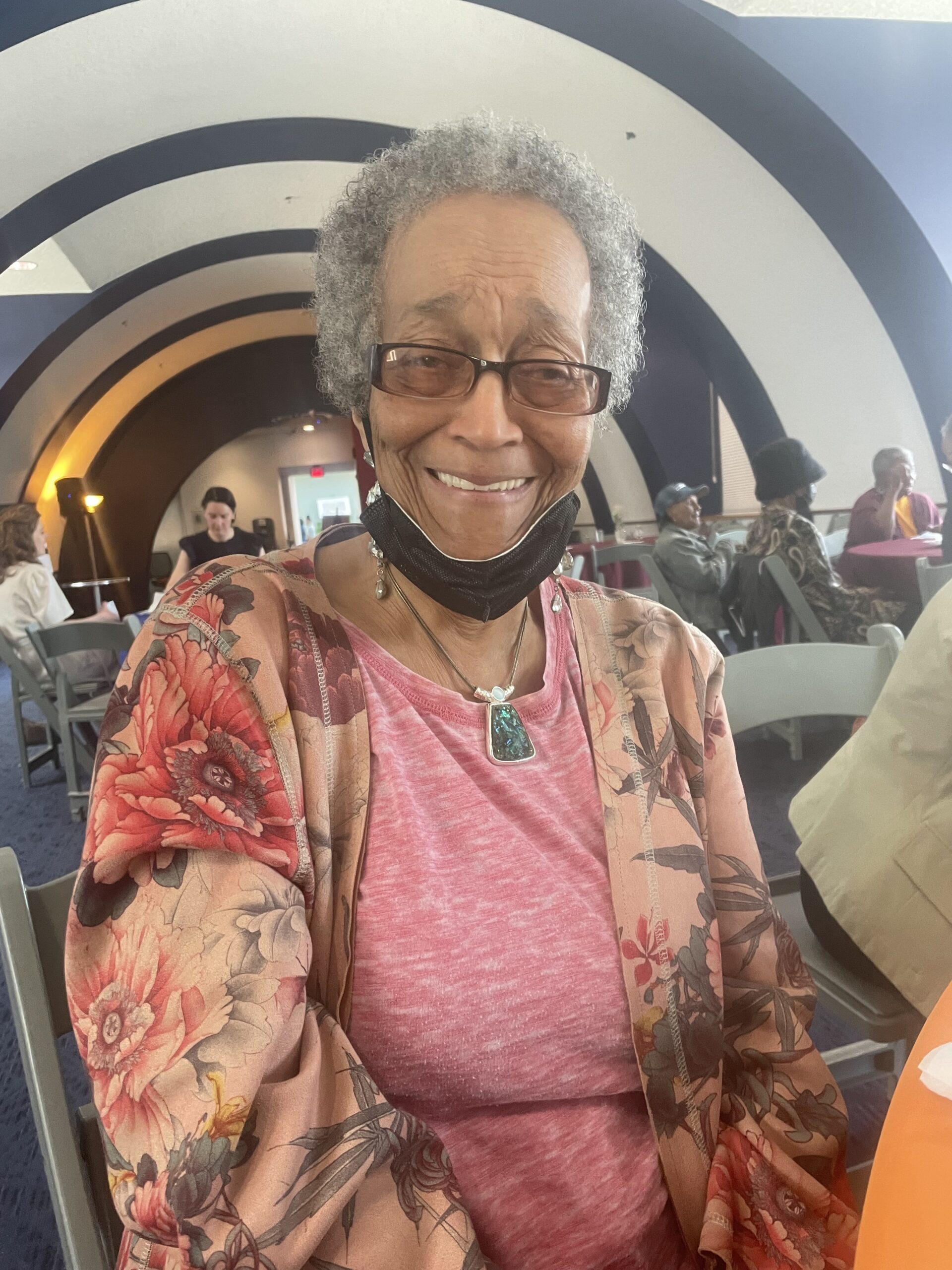
Loretta Spears
Loretta Spears reflected on her upbringing in Washington, D.C., where a strong sense of community—what she called “the village”—defined her childhood. Neighbors looked out for one another, and if a child misbehaved, someone would quickly step in with a firm, “I know your mama.” Loretta described a time when the entire community would come together
-
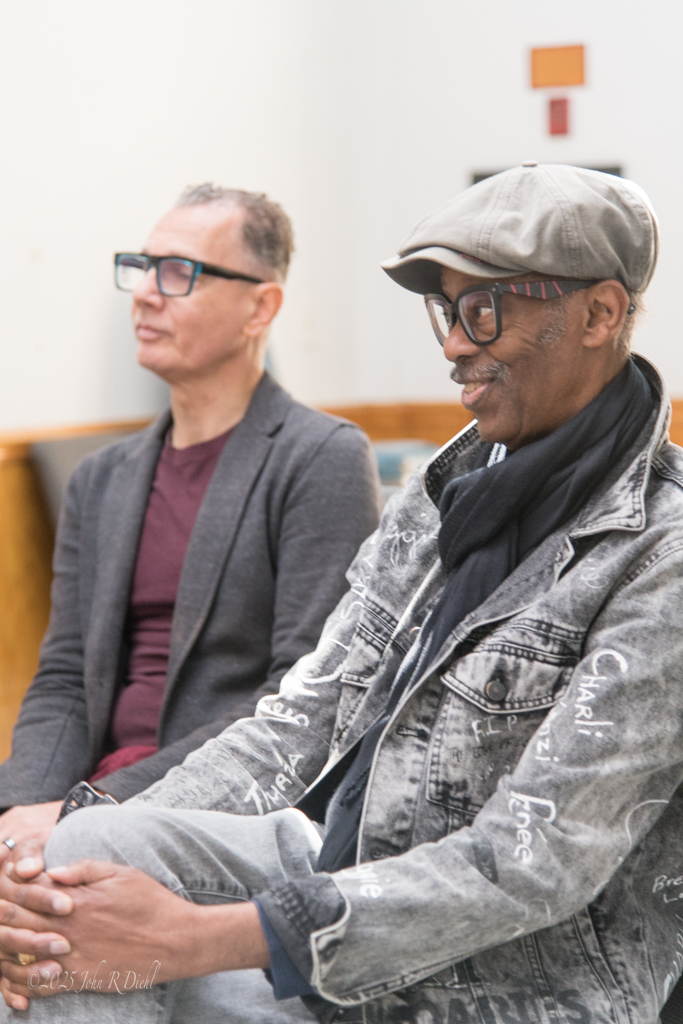
Laverte Mathis and Tyrone Goodwyn
Washington, D.C. native Laverte Mathis and longtime resident Tyrone Goodwyn were interviewed together at a site closely tied to their shared sense of home and history. Both men reflected on their Southern roots—Mathis’s family from Georgia and Goodwyn’s from North Carolina and Tidewater, Virginia—and the deep culinary traditions that have shaped their lives. Mathis spoke
-
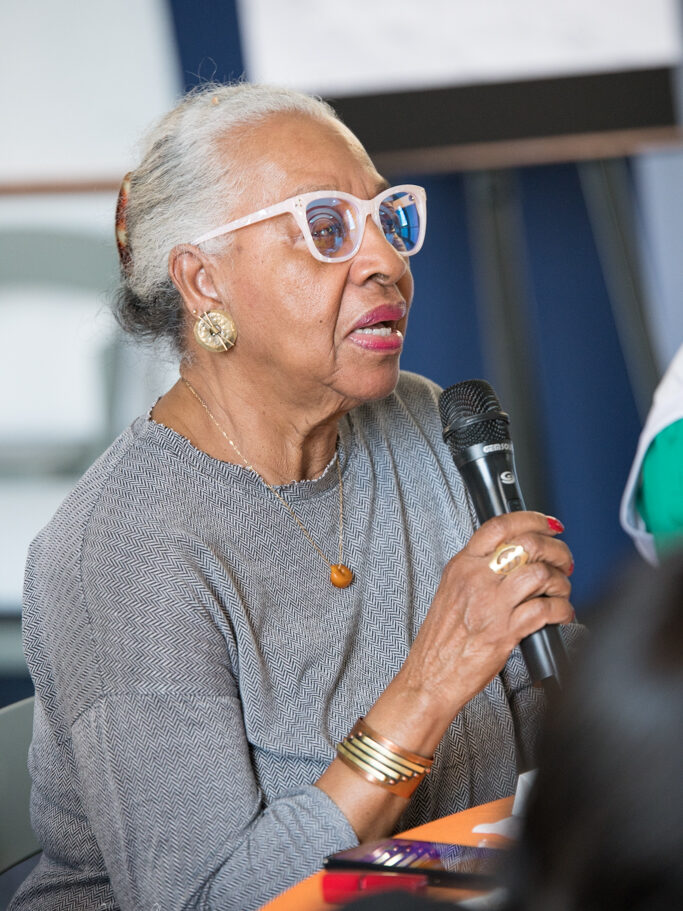
Zenola Robertson
Zenola Robertson shared her deep familial and cultural ties to South Carolina, specifically St. Stephens, where her mother Iness was from. She reflected on traveling back and forth between South Carolina and other places, recognizing names like Santee, Sumter, and Moncks Corner from family stories. Zenola emphasized the strong sense of unity around food in
-
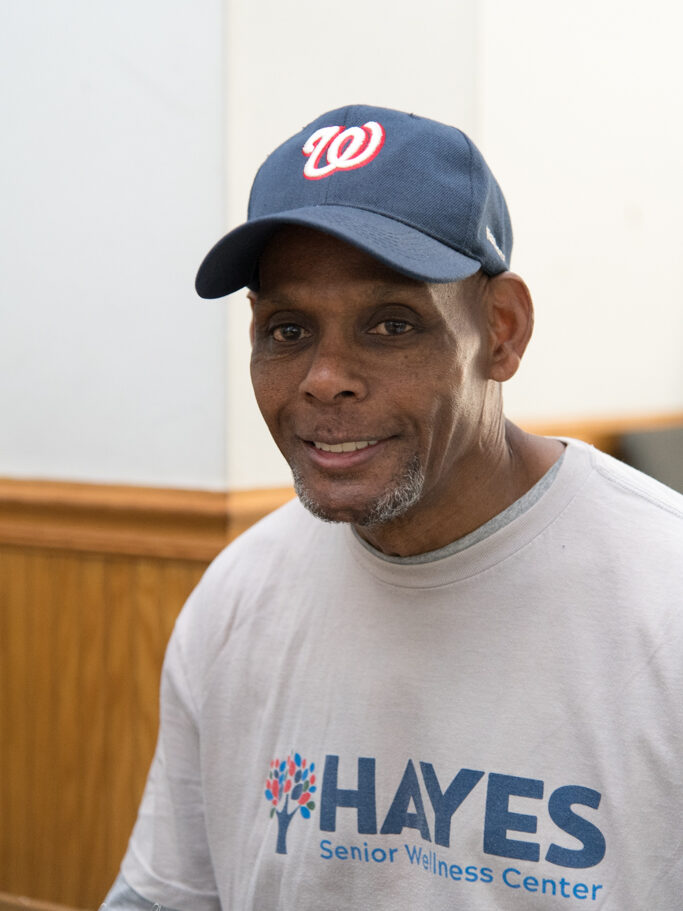
Stamford “Fred” Hoston
Born and raised in Washington, D.C., Stamford “Fred” Hoston is a lifelong resident of the city with deep family roots in the DMV area. Fred was interviewed at Saints Paradise Church, where he shared stories from his upbringing in a large, religious family of eight children. His parents, originally from West Virginia, worked as a
-
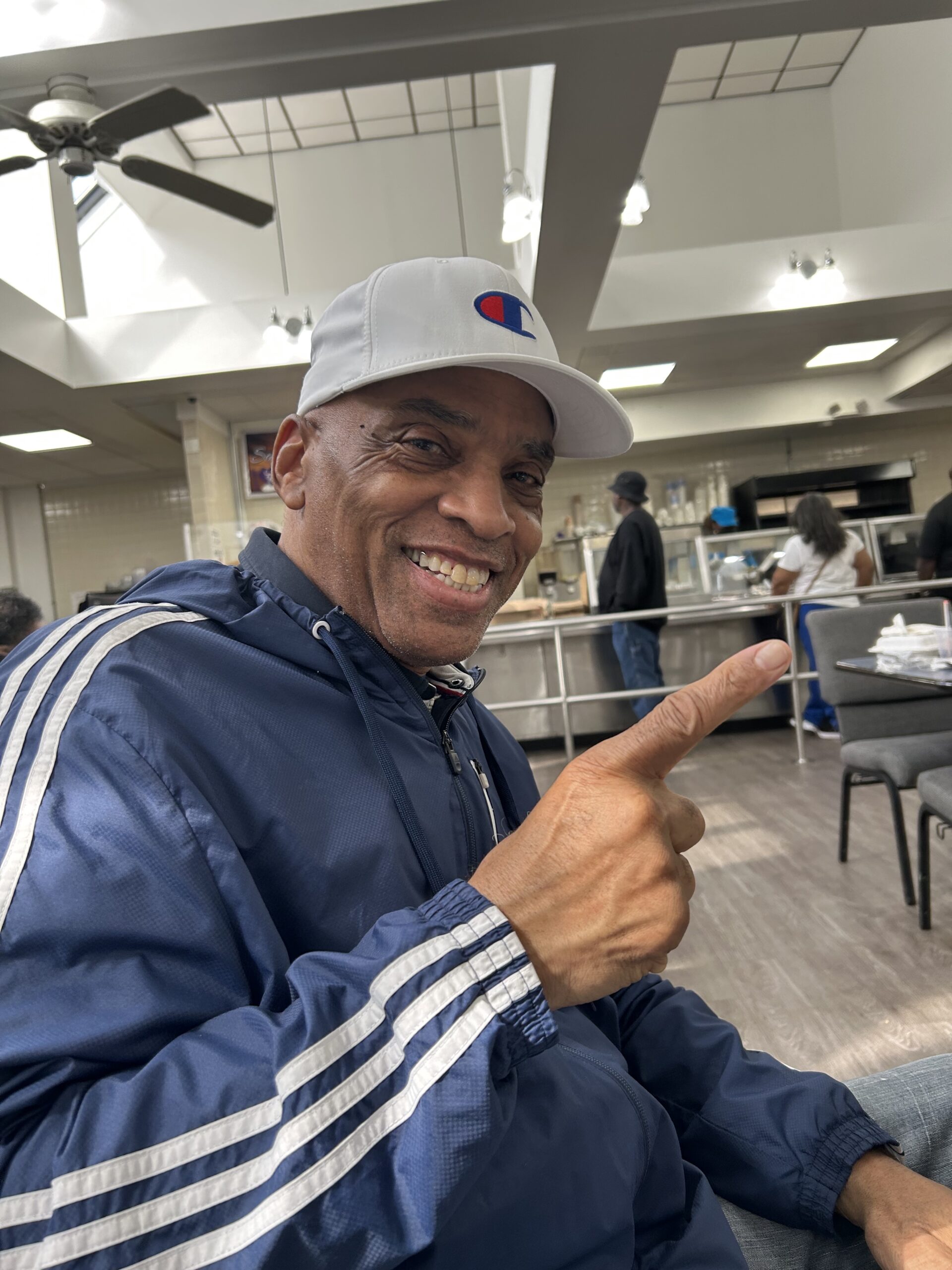
Don Garland
“I support black owned businesses and I like soul food.” What is one special family food tradition, and can you tell us a story about it? Why is it important to your family? “Thanksgiving and Christmas and birthday- We celebrate each other. Gifts and food and cake and ice cream. Our forefathers passed down Thanksgiving.”
-
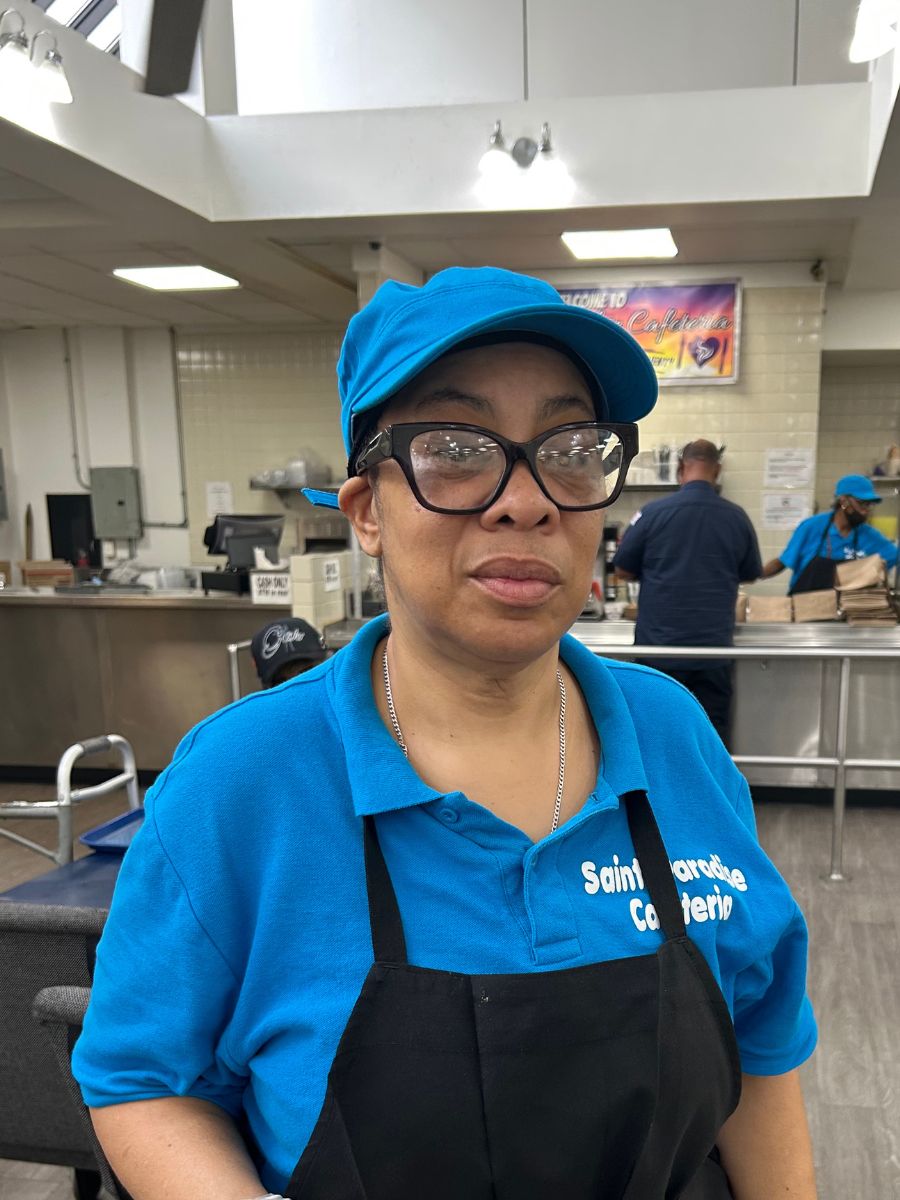
Andrea Jeter
“Remedies like garlic. Garlic helps with blood pressure.” What is one special family food tradition, and can you tell us a story about it? Why is it important to your family? “Thanksgiving and we all enjoy the mac n cheese. I am the designated mac n cheese chef for my family.”
-
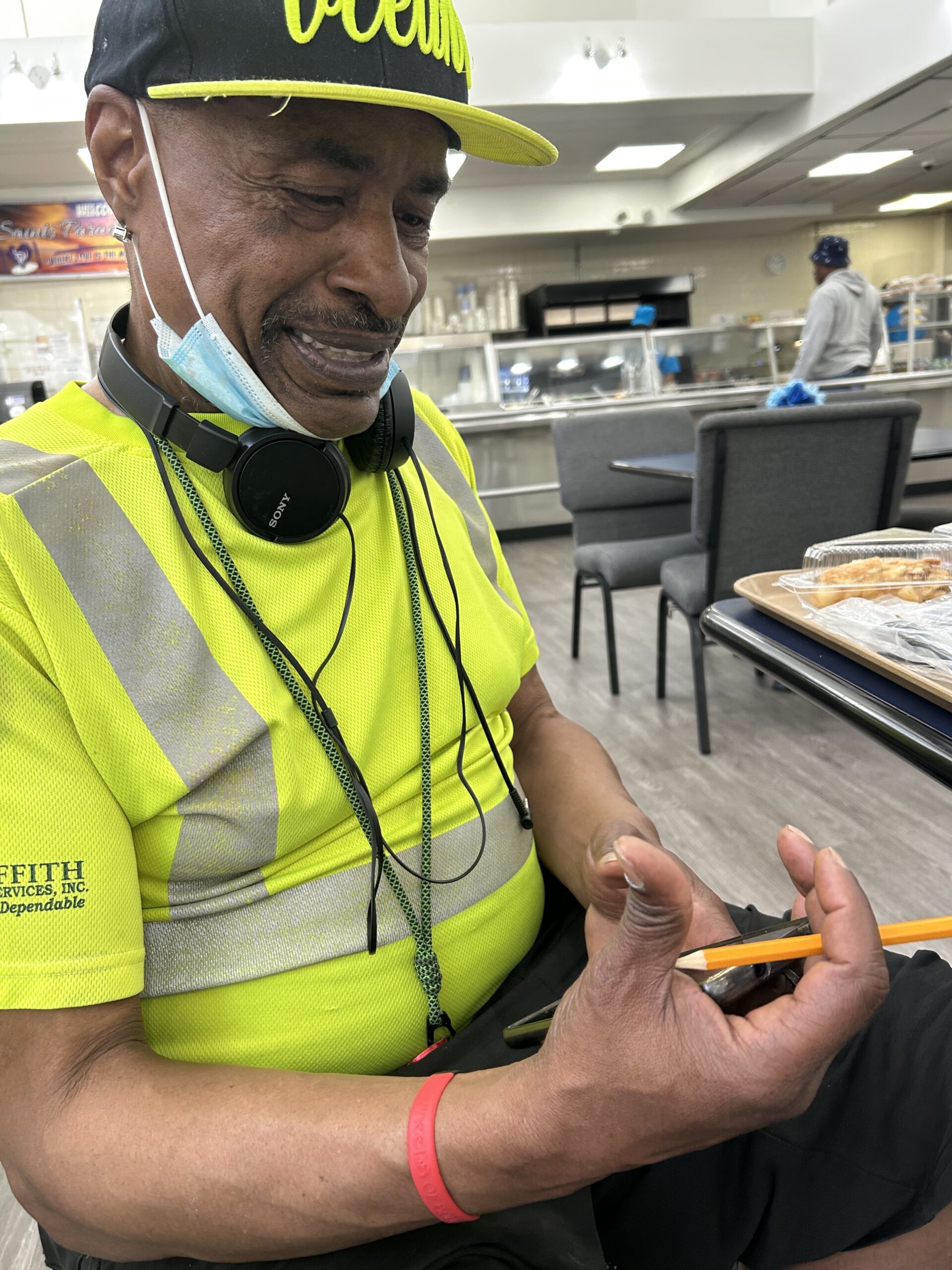
Ronald Jackson
“Stuffing: sausage, shrimp, oysters, onions,” What is one special family food tradition, and can you tell us a story about it? Why is it important to your family? “Gloria’s Greens. My mother cooked greens and everybody came for that.”
-
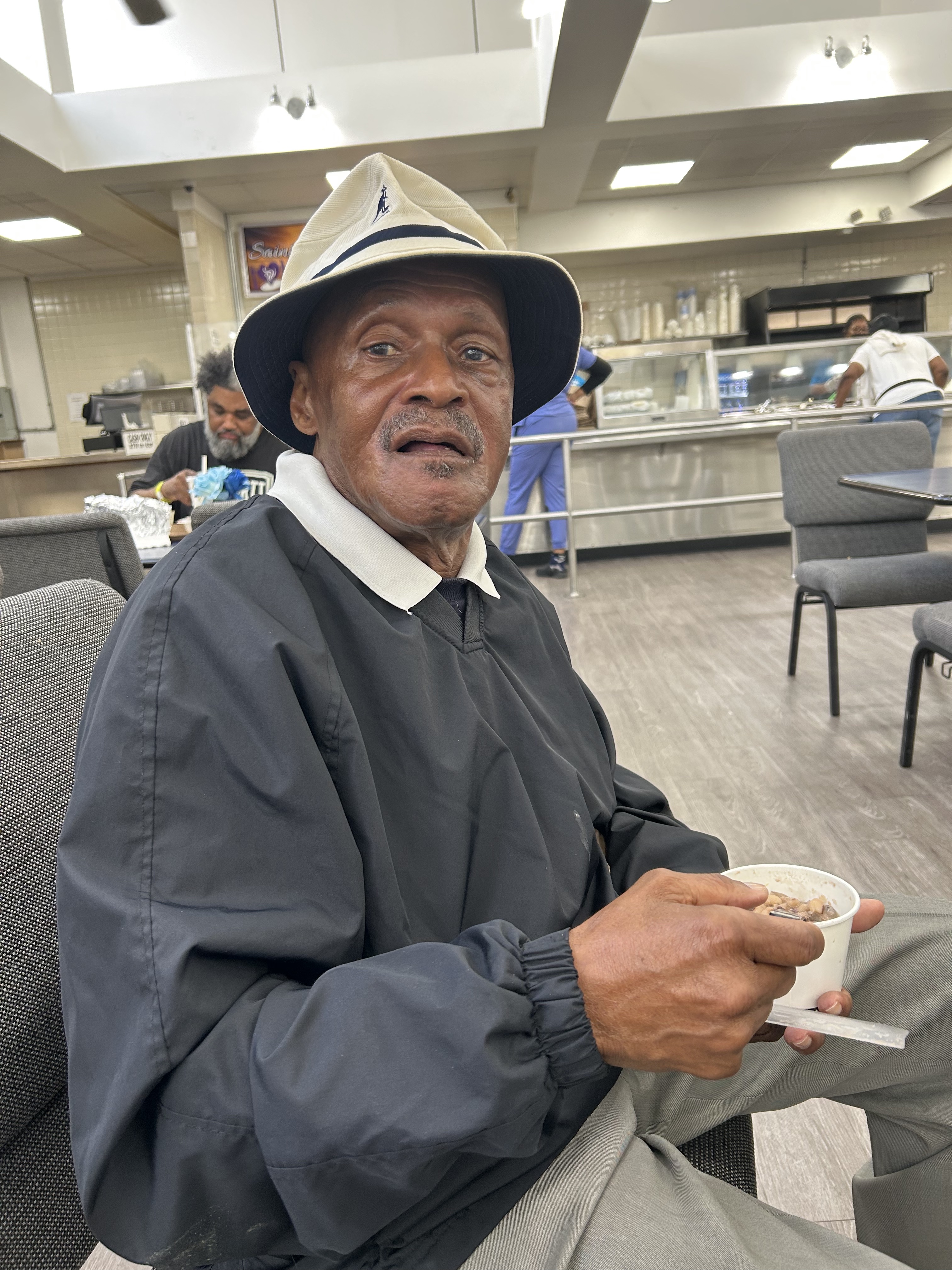
Robert Harris
“Take the wrinkle out your belly. I don’t eat too much meat so I am strong at 80.” How does food connect you with your community? “Im a soul man. When I grew up, I had two pieces of bacon, one egg and grits. sometimes rice. Some mornings- one piece of sausage, one egg. In
-
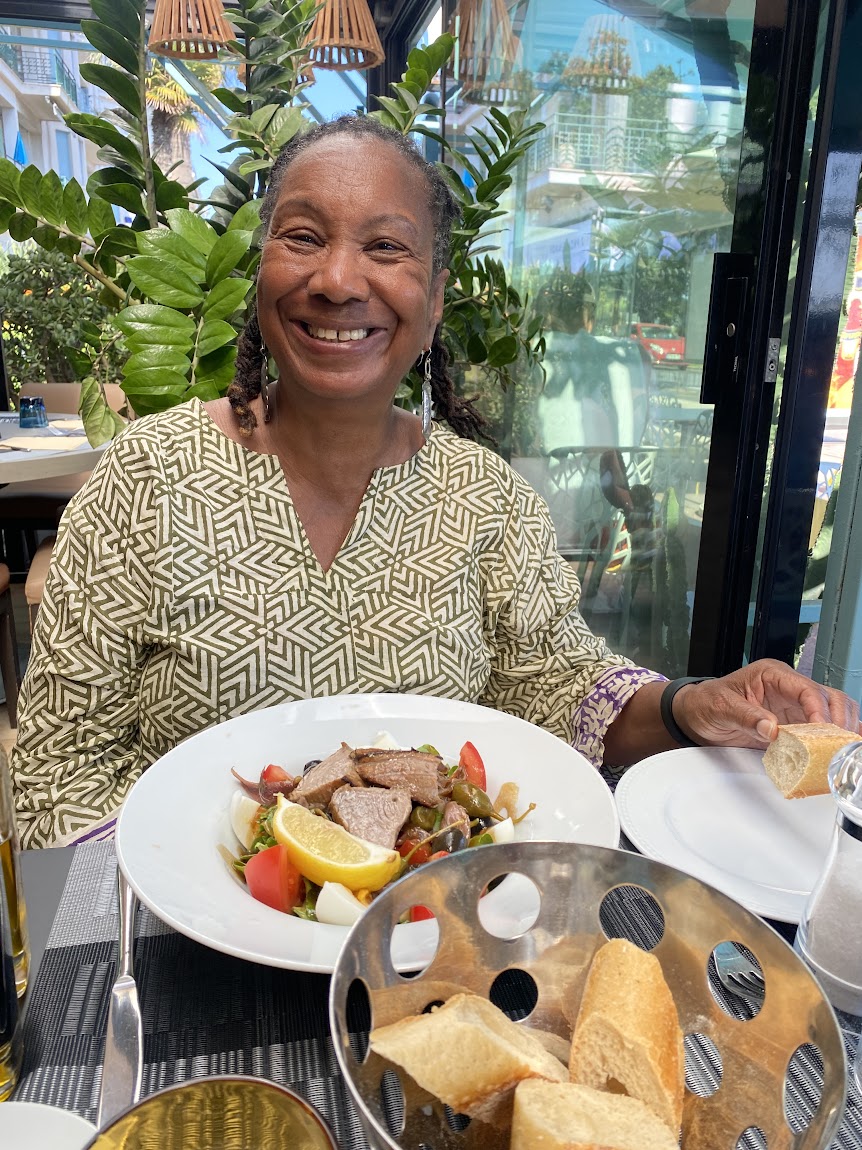
Amelia Govan
“My mother and Grandmother, who were born in Laurens, South Carolina, moved here in the 1930s along with other family members. My mother attended Dunbar High school and Howard University. I have lived in DC longer than any other place – since 1968 when I came here to attend Howard. We have a strong, continuing
-
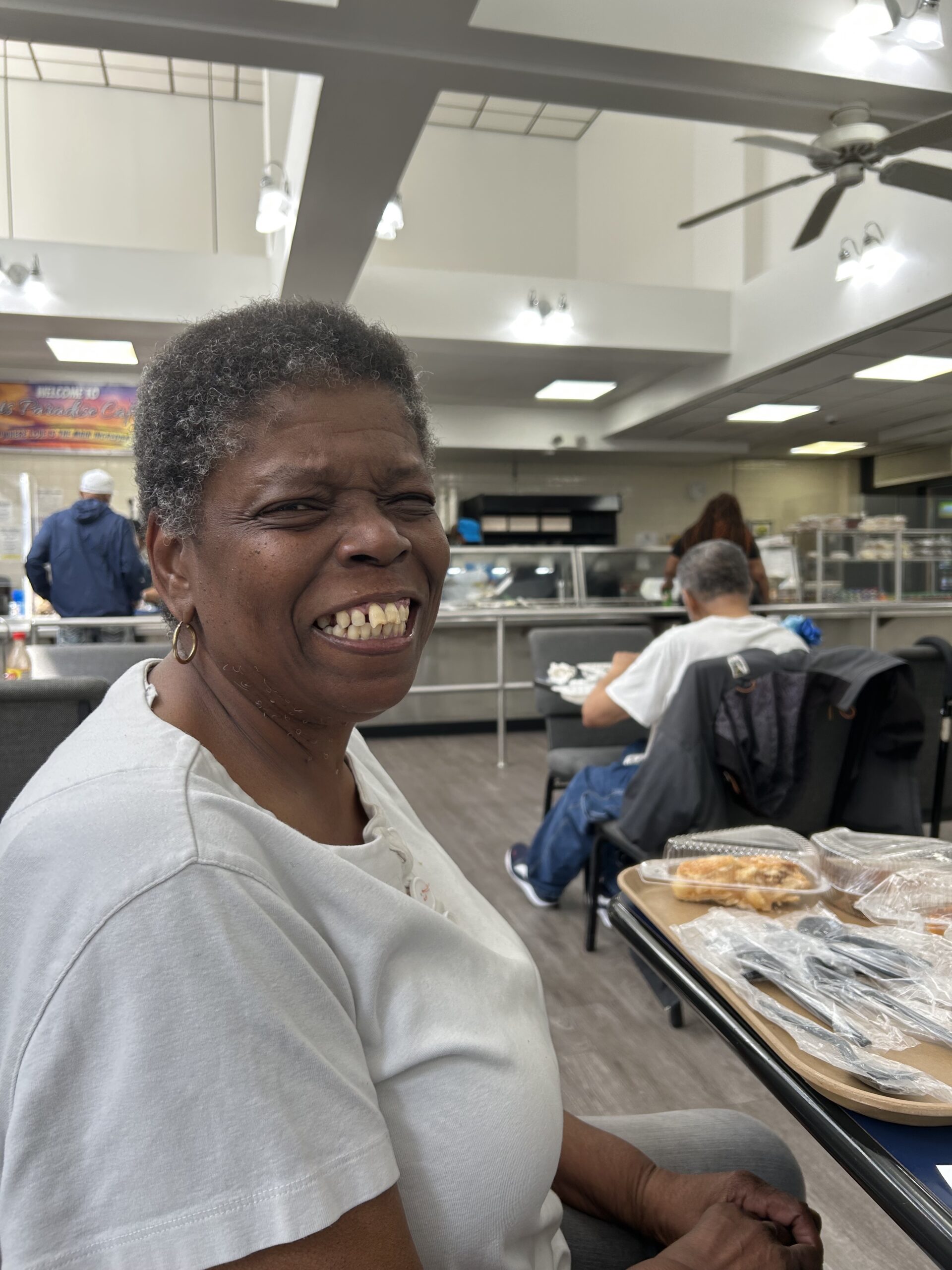
Catherine Williams
“Greens heal me. Onions help me when I have a cold. Ginger is healing.” What is one special family food tradition, and can you tell us a story about it? Why is it important to your family? “Potato Salad: My brothers love my potato salad and that would bring the family together.”
-
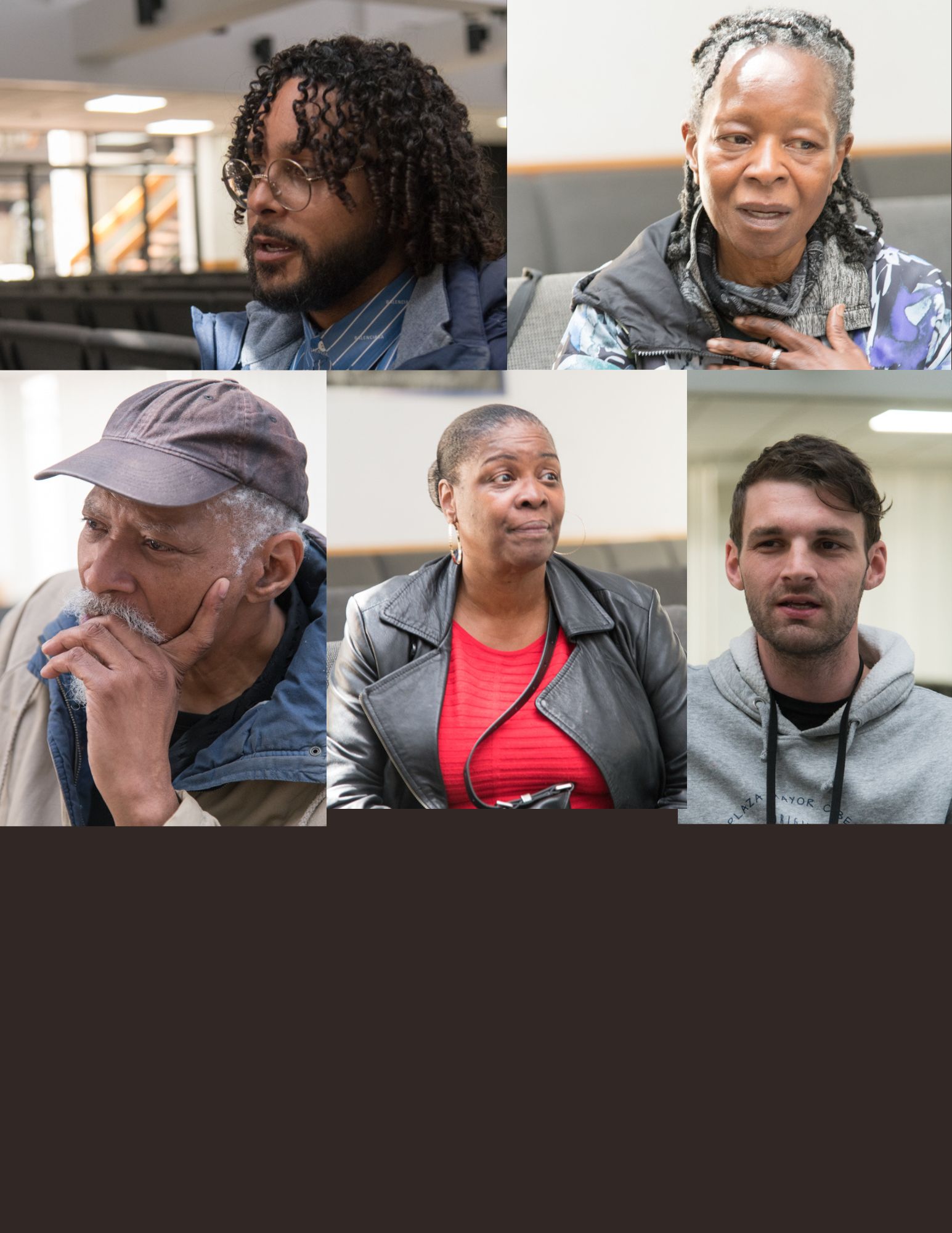
Group Interview: Tim Hall, Luke Blackwell, James Birth, Phyllis Metts, Janice Barnes
Tim Hall, Luke Blackwell, James Birth, Phyllis Metts, and Janice Barnes participated in a group interview led by Anita Gonzalez which explores how food functions in Black communities in Washington, D.C. as a source of health, healing, heritage, and connection. Janice Barnes opened by sharing her family’s generational history with high blood pressure and how
-

Group Interview: Harold Little, Joyce Robinson-Paul, and Mac-Arthur Mills
Born and raised in Washington, D.C., Joyce Robinson-Paul, Harold Little, and Mac-Arthur Mills share deep roots in the city’s Black communities, including Shaw, Takoma, and Foggy Bottom. The three were interviewed at a church central to their lives, where annual gospel concerts, soul food, and fellowship continue to bring people together. Joyce, a native Washingtonian,
-

Margaret Weusi
Margaret Weusi, originally from Trinidad and Tobago, shares how food has always been a central part of her life, growing up in a large family of 13 siblings where nothing went to waste. Upon moving to the U.S., she found it unusual to see leftovers and had to adapt by recreating Caribbean dishes with available
-
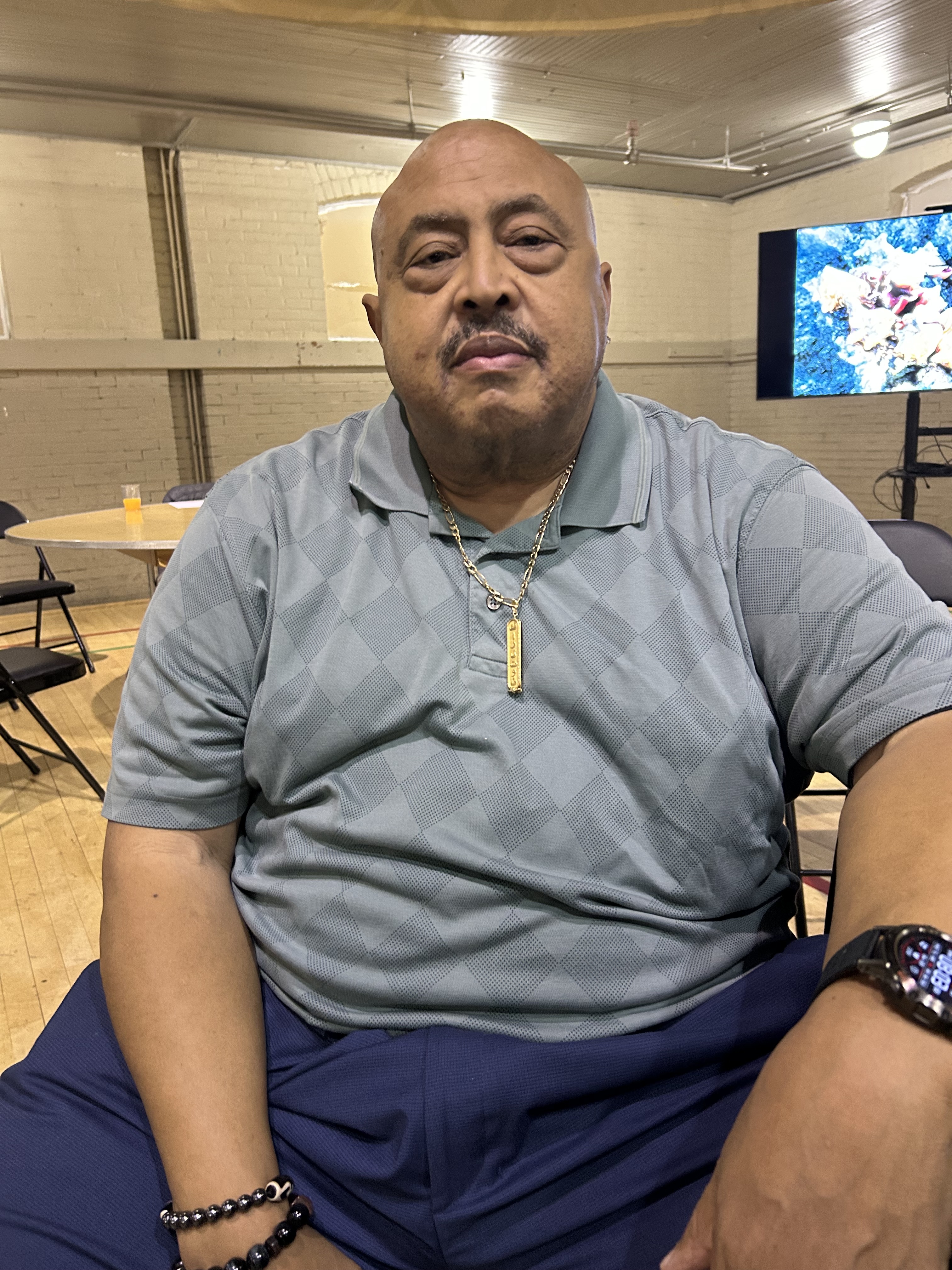
Carlton Tucker
Carlton Tucker shared vivid memories of his childhood, shaped by the foods he was surrounded by and the labor that came with them. He humorously recalled refusing to eat tomatoes, and how his grandfather owned a mango grove where he and his cousin were made to climb trees to pick the fruit. That experience left
-
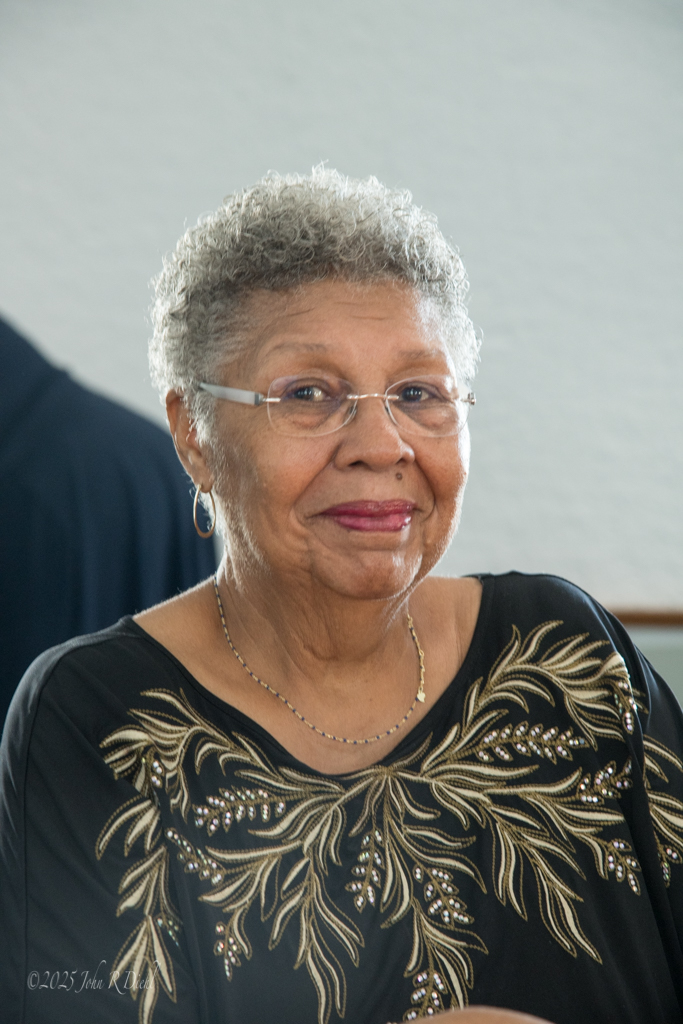
Stene Johnson
Stene Johnson reflected on her upbringing in Sumter, South Carolina, where self-sufficiency and community were a way of life. She recalled that there was no need for grocery stores—families grew their own food and shared it generously. Visitors were always welcomed to eat, usually outside under the trees, since there was no air conditioning. These
-
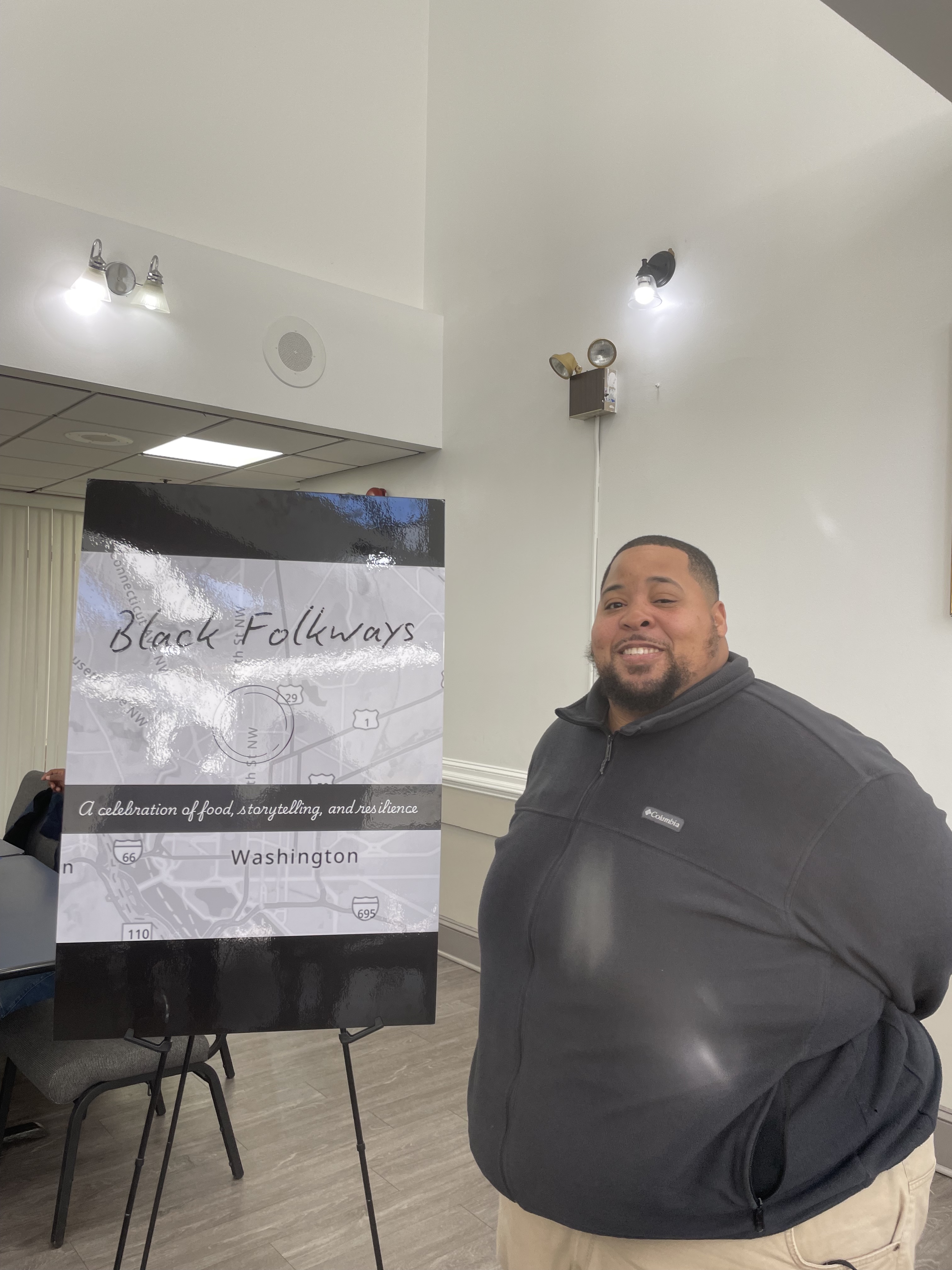
Glen Pittman
Glen Pittman was born and raised in Virginia and currently works in Washington, D.C., commuting daily from Fredericksburg. He has worked as a Food and Beverage Director at the Holiday Inn in NW DC for over two years. Though his physical home is in Virginia, D.C. plays a central role in his daily life and
-

Roland Proctor
Roland Proctor was born in Washington, D.C. and raised in Prince George’s County, Maryland. Aside from his time serving in Vietnam, he has lived in the area his entire life. His mother was originally from New York City, and his father from PG County. Roland shared reflections on how food connects people in D.C., especially
-
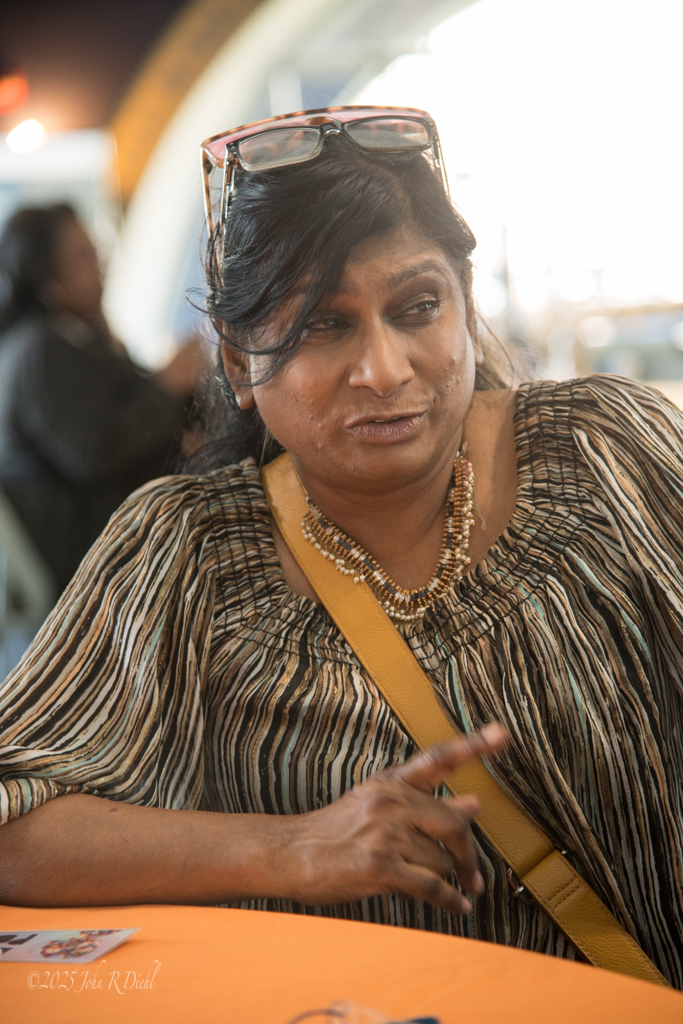
Sunithi Selvaraj
Sunithi Selvaraj, affectionately known as Sue, is a registered dietitian and nutritionist who began working with Model Cities in April 2023. Originally a consultant, she quickly fell in love with the vibrant senior community and transitioned into a full-time role as their nutrition educator. Sue leads weekly programs that include cooking demonstrations—often taught by the
-
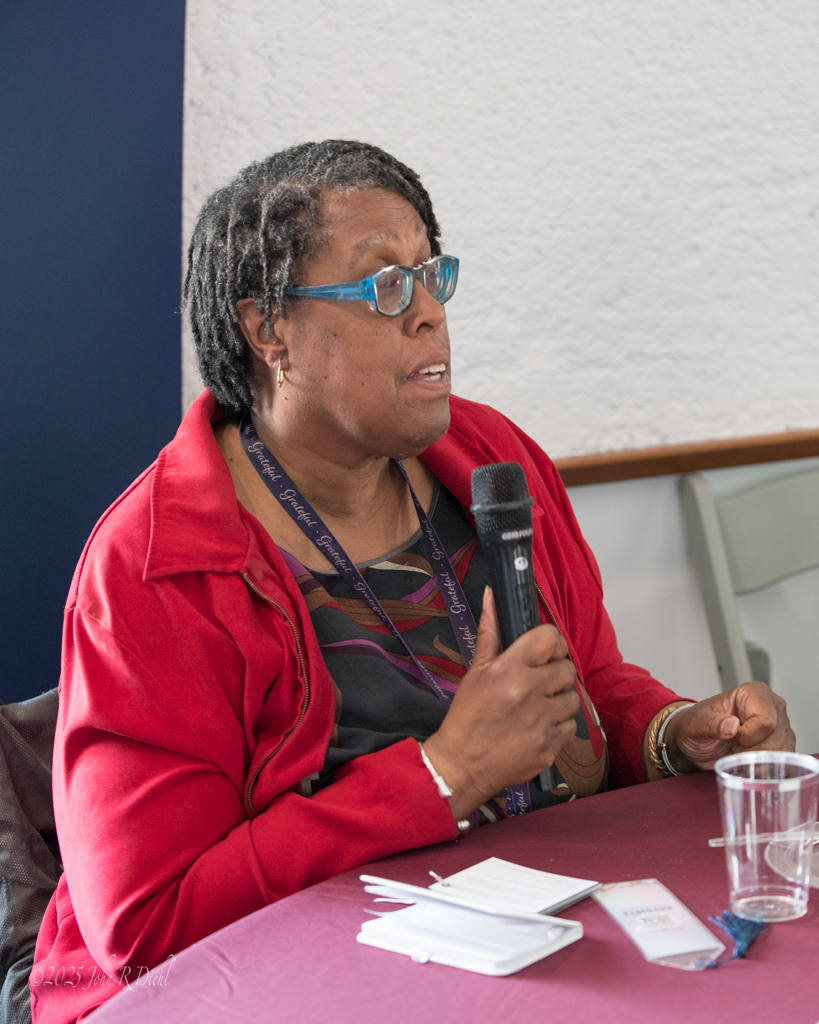
Jennifer Rickerby
Jennifer Rickerby shared heartfelt memories of learning to cook from her mother, who taught her and her siblings cherished family recipes like curry chicken, oxtail, rice and peas with grated coconut, and rum cake. Cooking was a long process of observation and patience—Jennifer joked that she was “in training for 100 years” before being allowed
-
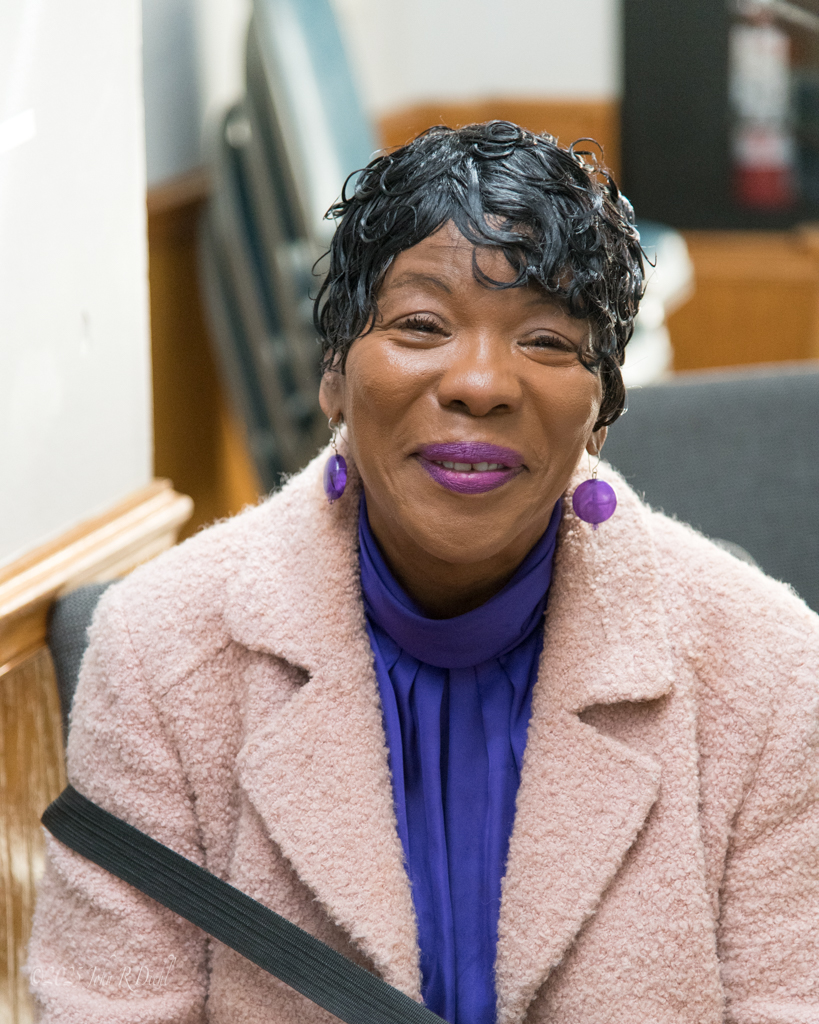
Sheila Jones
Born and raised in Washington, D.C., Sheila Louis Jones is a lifelong resident whose family moved from Virginia nearly 70 years ago when her father was stationed at Andrews Air Force Base. Sheila spoke about growing up in Capitol Hill and later in public housing, where she said she learned a lot and had fun
-
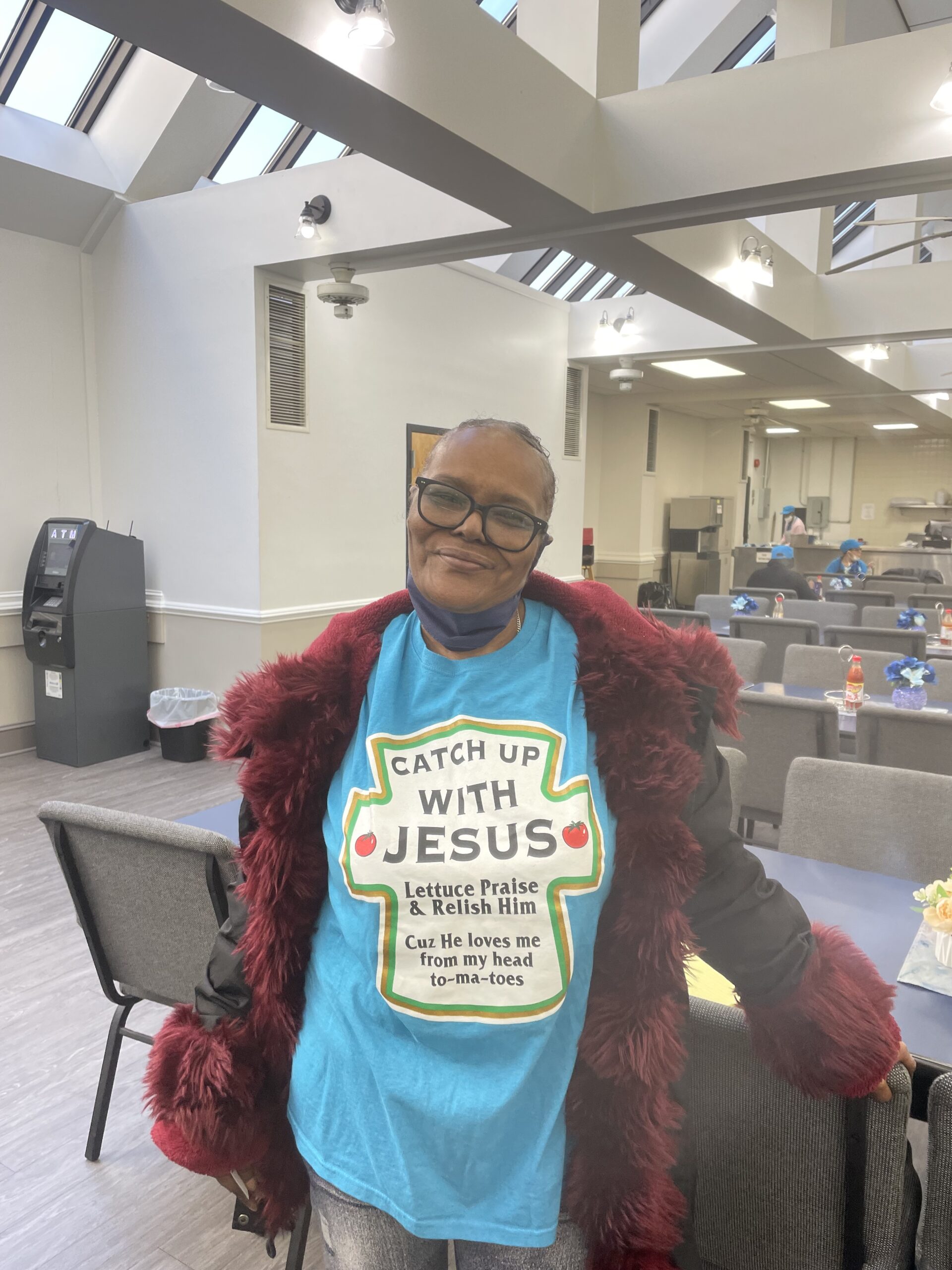
Juanita Witherspoon
Juanita Witherspoon was born and raised in Washington, D.C., where she still lives, worships, and raised her family. A longtime member of the church connected to Saints Paradise Cafeteria, she’s been attending for over 58 years and regularly eats there with her husband after services. Juanita values flavor and consistency and sticks to places she
-
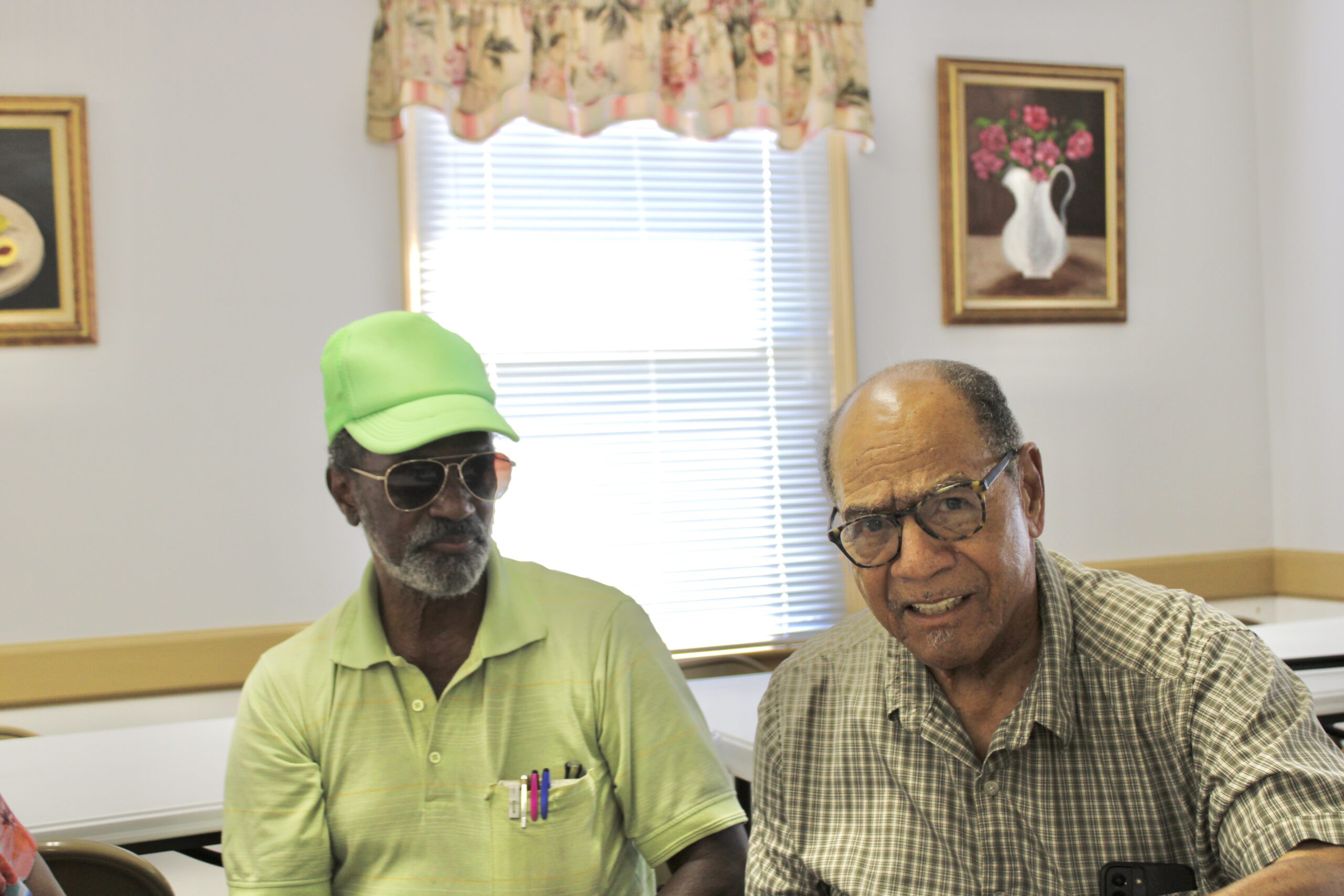
Dwight Henry & Nathaniel Trott
Dwight Henry and Nathaniel Trott, lifelong friends from McDaniel, Maryland, reflect on growing up in a close-knit African American community on the Eastern Shore. They discuss church traditions, the importance of respect, and the values instilled by their parents and neighbors. The men discuss growing up in a segregated society, recalling dusty shoes from walking
-
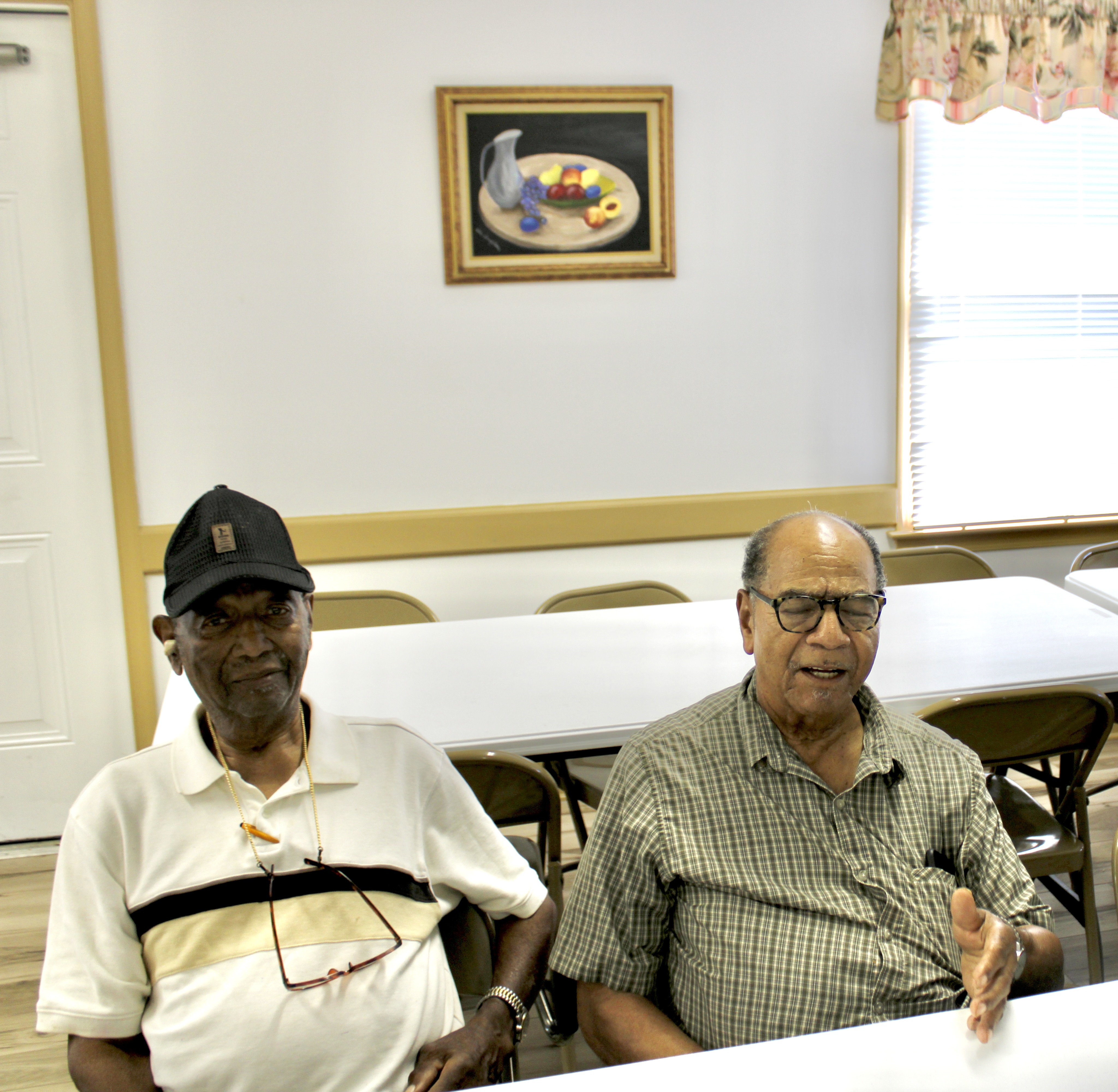
Charles Warner, Nathaniel Trott, & Dwight Henry
Nathaniel Trott, Charles Warner, and Dwight Henry shared their experiences growing up and reflecting on their community’s history. They discuss the legacy of segregation and integration, the schools they grew up attending together. Nathaniel reflected on his time as a saxophonist, recalling performances like playing the national anthem at school events. Charles also shared stories
-
Childlene Brooks & Virginia Jackson
Childlene Brooks and Virginia Jackson, sisters raised in Talbot county and deeply rooted in their community, shared their personal stories of growing up during the desegregation era and their involvement in local civil rights efforts. The interview explored their early experiences at St. Michael’s High School, where Childlene was one of the first African American
-
Virginia Jackson & Walter Black
Walter Black and Virginia Jackson shared personal stories about growing up in a close-knit community, reflecting on their family history, and discussing identity and the complexities of heritage. The conversation also touched on Hurricane Hazel, where Virginia recalled the impact of the storm, noting that while it caused some damage, the community came together to
-
Carroll Cooper
Carroll Cooper, born and raised in the Wittman area on Maryland’s Eastern Shore, shared stories about his family’s rich history, dating back to the Civil War and slavery. His great-great-grandmother, who was enslaved, famously walked 27 miles to Easton to verify that slavery had ended. Carroll’s ancestors worked on nearby plantations and were linked to
-
Charles Warner
Charles Warner, a lifelong resident of Wittman Maryland, reflects on a life deeply rooted in family, hard work, and community. He worked on a farm in McDaniel from a very young age, around 8 or 9 with his grandfather and father. He shared fond memories of Sunday family breakfasts and the influence of his grandparents,
-
Nathaniel Trott
Nathaniel Trott, born and raised in McDaniel Maryland where he now lives again, shared insights about life growing up in a time of self-sufficiency and tight-knit family bonds. The interview highlights food preservation techniques such as canning sausages and curing pig feet, as well as the practice of storing potatoes in the ground to survive
-
Walter Black
Walter Black, born in Salisbury, Maryland, is a key figure in the civil rights movement, particularly known for his role in the 1962 Riverside Park Pool protest in Baltimore. Raised in McDaniel, Maryland, he became actively involved in the desegregation efforts as the executive director of the Maryland State Conference of the NAACP. In 1962,
-
Vanessee Burns
“Laughter can occur over food. You can push out the rest of the world.” Do you have a family recipe you would honor us by sharing? If so, please share it below: “Goolash: tomato base, meat of choice, peppers, onions, okra, add rice.”
-
Dennis Wilson
“Everyday I cook for my family. Everyday is special.” Do you have a family recipe you would honor us by sharing? If so, please share it below: “Chicken: Spicy, jerk, curry and brown stew chicken.” How does food connect you with your community? “I sell food to my community.”
-
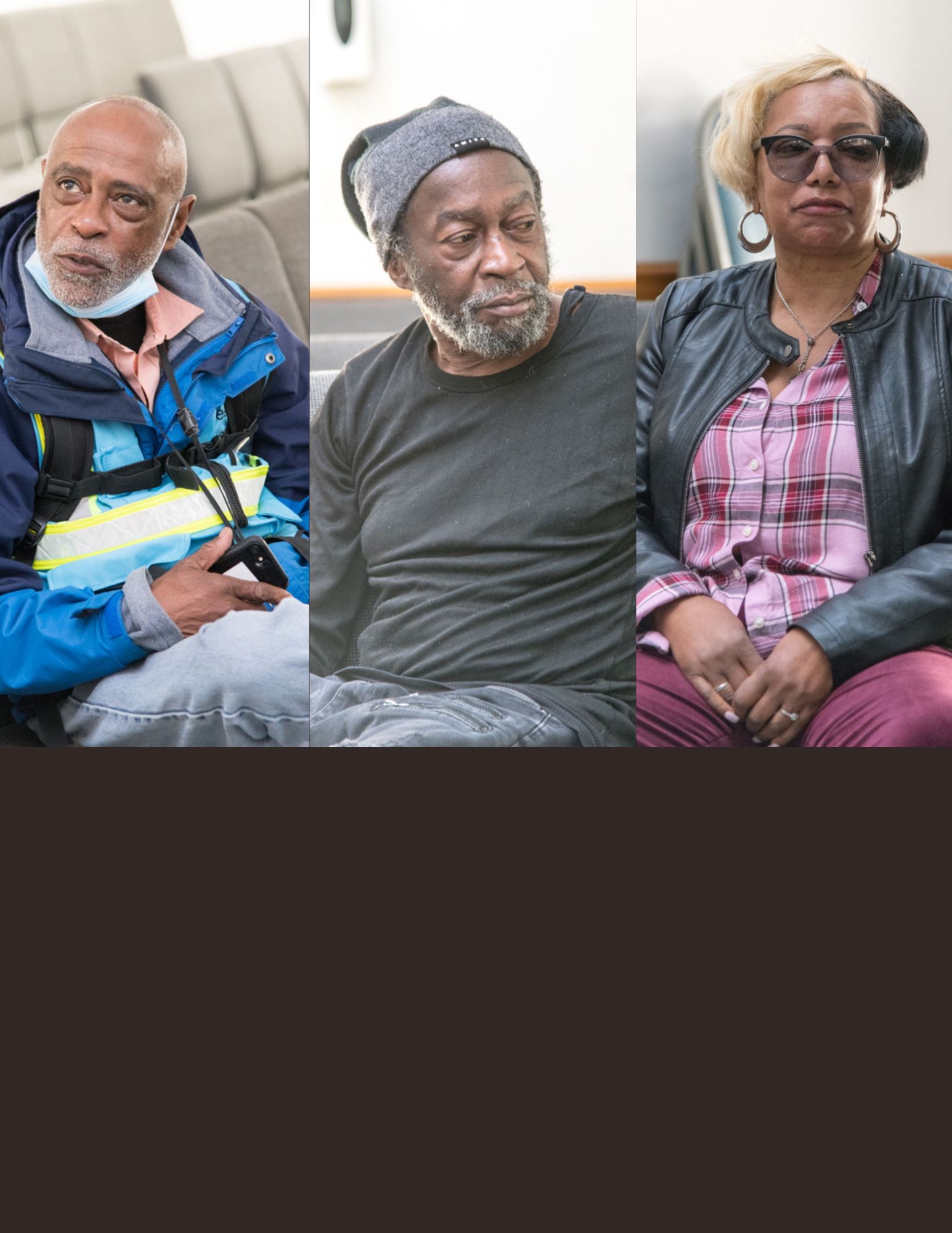
Group interview: Godwin Bell, Sheila Gibbs, and Stanley Lemon
This group conversation, led by Anita Gonzalez, explores the role of food in Black cultural resilience, healing, and community-building. Participants reflect on their personal food journeys, including Stanley Lemon, who moved from South Carolina and found comfort and community through soul food in Washington, D.C. He shares how changing his diet and biking helped him
-
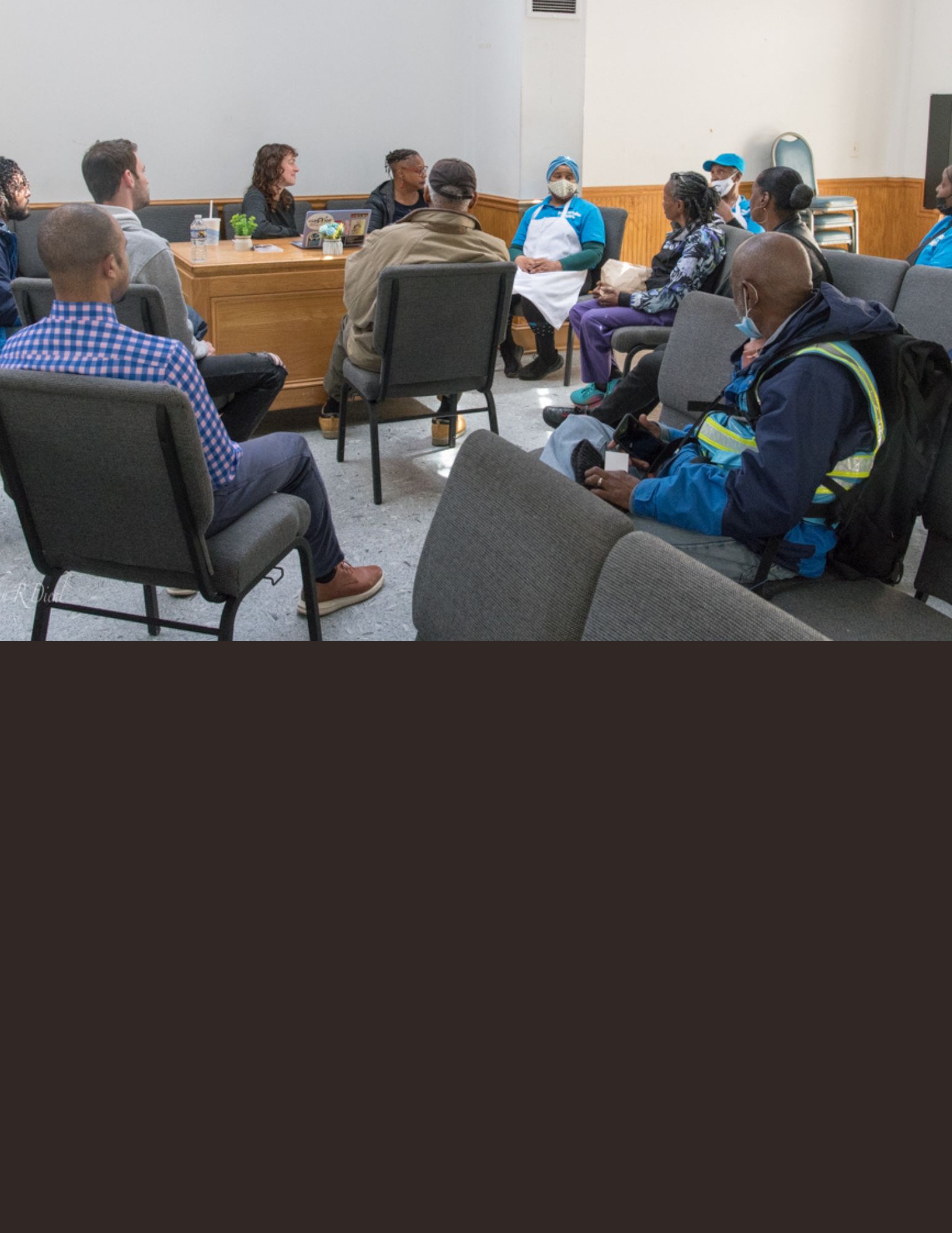
Group Interview: Velgene Eastman, Ora Roberts, Kimberly Smith, and Janice Barnes
This group interview with Velgene Eastman, Ora Roberts, Kimberly Smith, and Janice Barnes took place at the United House of Prayer in Washington, DC. The conversation centered around the significance of food in Black communities, particularly its role in spiritual grounding, cultural preservation, and family connection. The women reflected on the joyful reactions of patrons
-
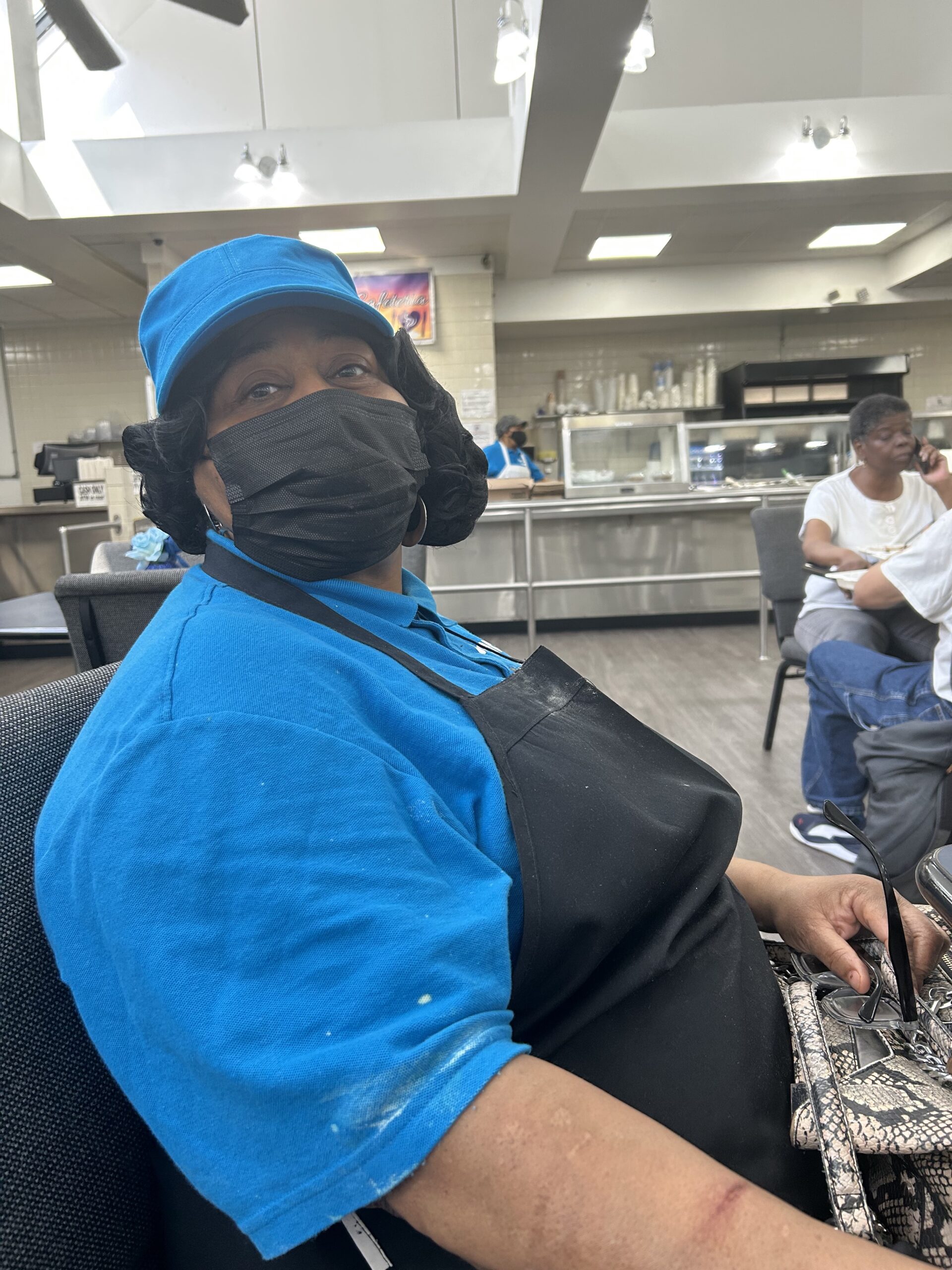
Carolyn Graham
“It’s a social gathering. People love to eat and communicate and enjoy each other. It’s a social opportunity.” What is one special family food tradition, and can you tell us a story about it? Why is it important to your family? “Thanksgiving – everybody gets together, coming from out of town, to socialize, all over
-
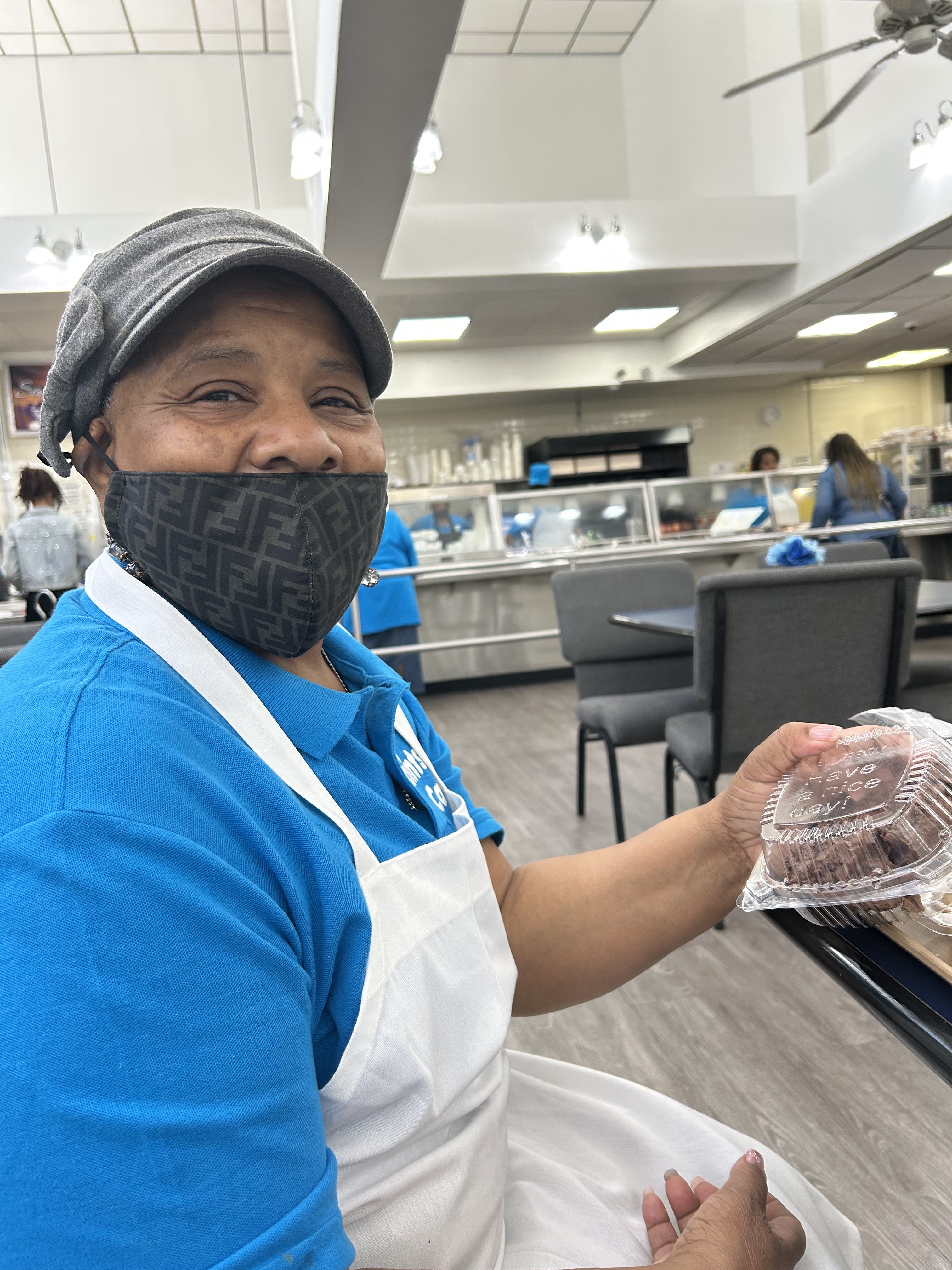
Velgene Eastman
“Food is a part of life. This is my church- we eat together at church.” Do you have a family recipe you would honor us by sharing? If so, please share it below: “Sweet potato pie: lemon juice, milk, butter, sweet potato, cinnamon, sugar, crust”
-
Tracie Nelson
“Cooking a pork pot, making hash and liver pudding.” How does food connect you with your community? “I am always cooking and feeding my neighbors and church members.”
-
Kimberly Smith
“Opportunity to gather with community members.” What is one special family food tradition, and can you tell us a story about it? Why is it important to your family? “Thanksgiving – we always had mac n cheese. Potato salad, greens, chitlins, pig feet. We all came together and ate food we aint supposed to have.”
-
Nelson Johnson
“All holidays are celebrated with food. It’s important who is making the mac n cheese.” How do you use food for healing? “I’m looking for healthy food, not fast food. When I was young I ate fast food. But now that I am wise, I know that food is life. I like natural, real food.
-
Timothy McDaniel
“Food helps my mental health. Some people eat to live, some live to eat. A good cook helps.” What is one special family food tradition, and can you tell us a story about it? Why is it important to your family? “Last 35 years, we gather on Christmas eve, we all open at least one
-
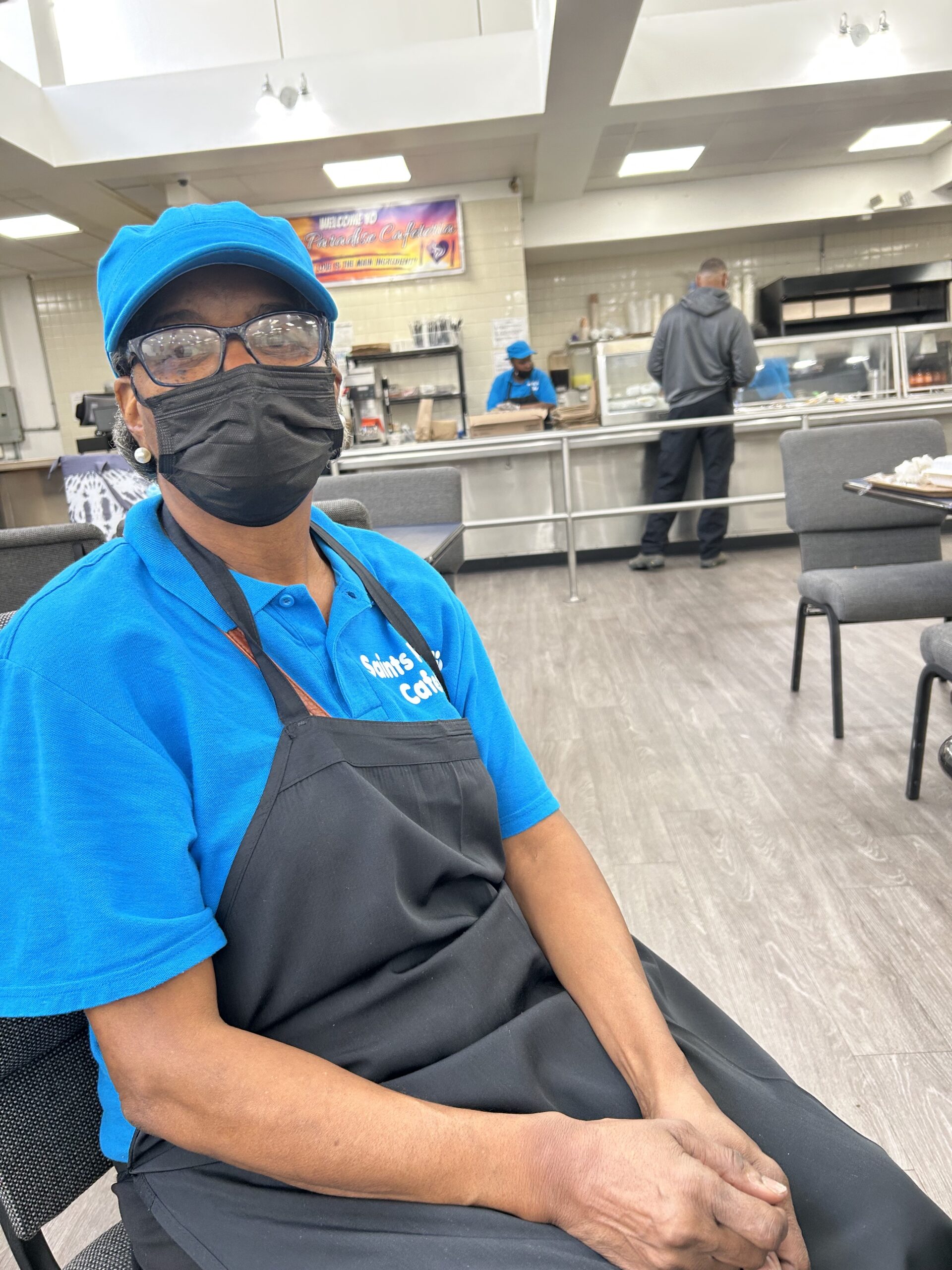
Diane Randall
“I serve the same food I was raised on. I bless my community with the same food I was blessed with. I learned from my mom.” What is one special family food tradition, and can you tell us a story about it? Why is it important to your family? “Chicken connects my family. We would
-
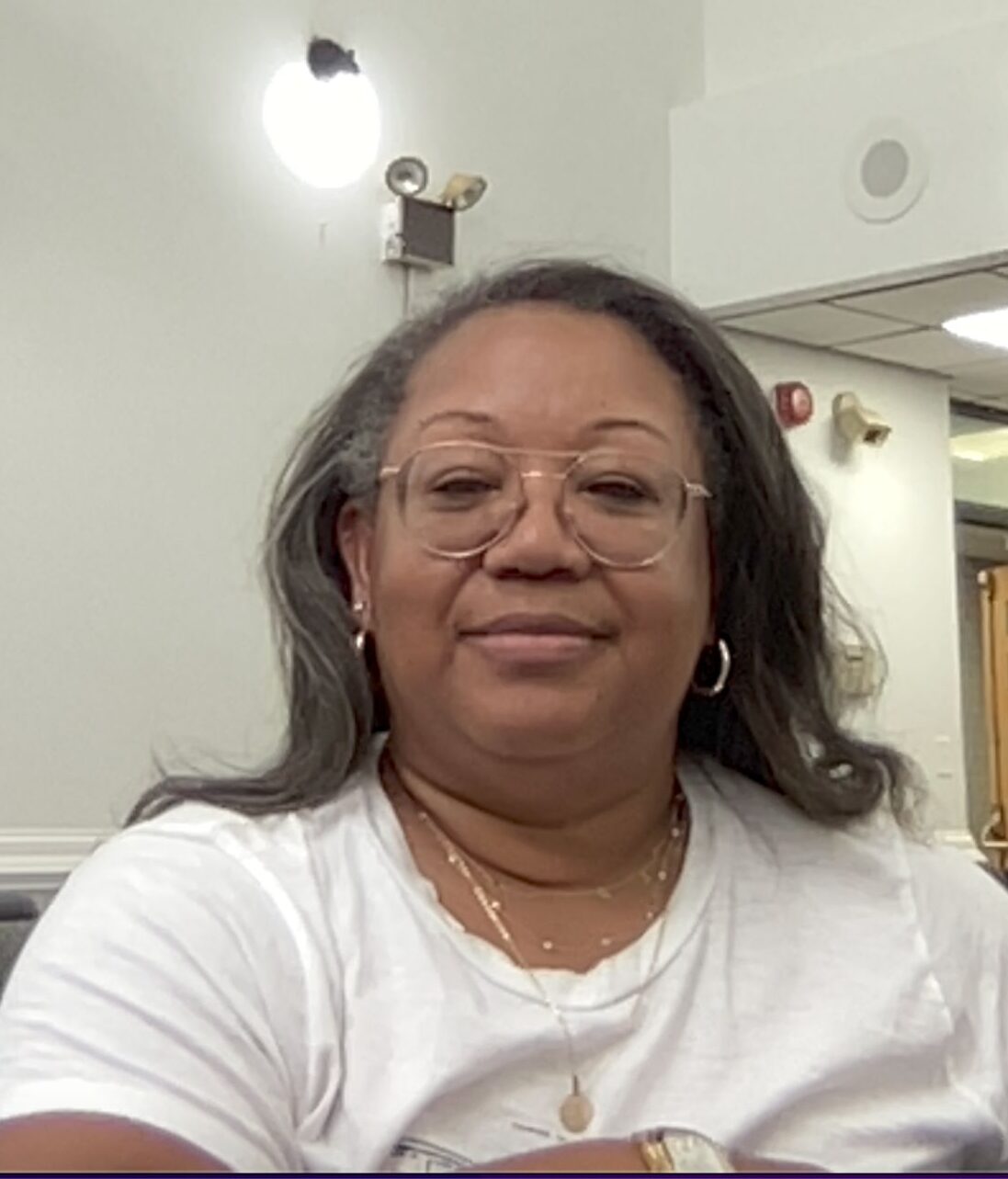
Chrischeryl McDaniel
“Taking food to someone when their healing. Help someone overcome a sickness.” What is one special family food tradition, and can you tell us a story about it? Why is it important to your family? “Thanksgiving – for the last 25 years, we hosted thanksgiving for both sides of the family. We take a photo
-
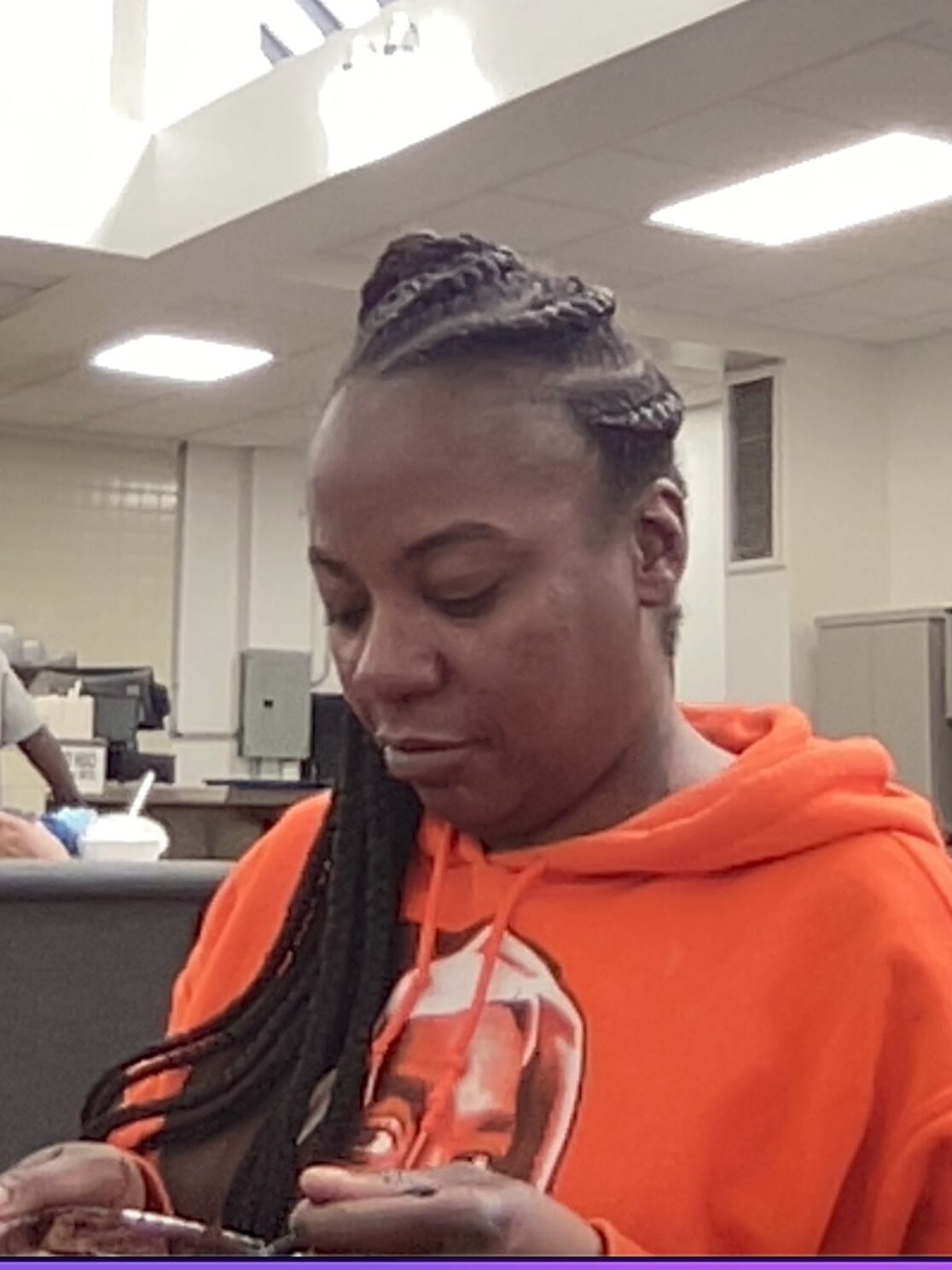
Regina Williams
“Mac n Cheese: noodles, flour, eggs, butter, cheese.” How do you use food for healing? “You need nourishment when you are weak. Stress eating is not good. I eat salads, tuna instead of greasy/fried foods. Fruits and veggies, water.”
-
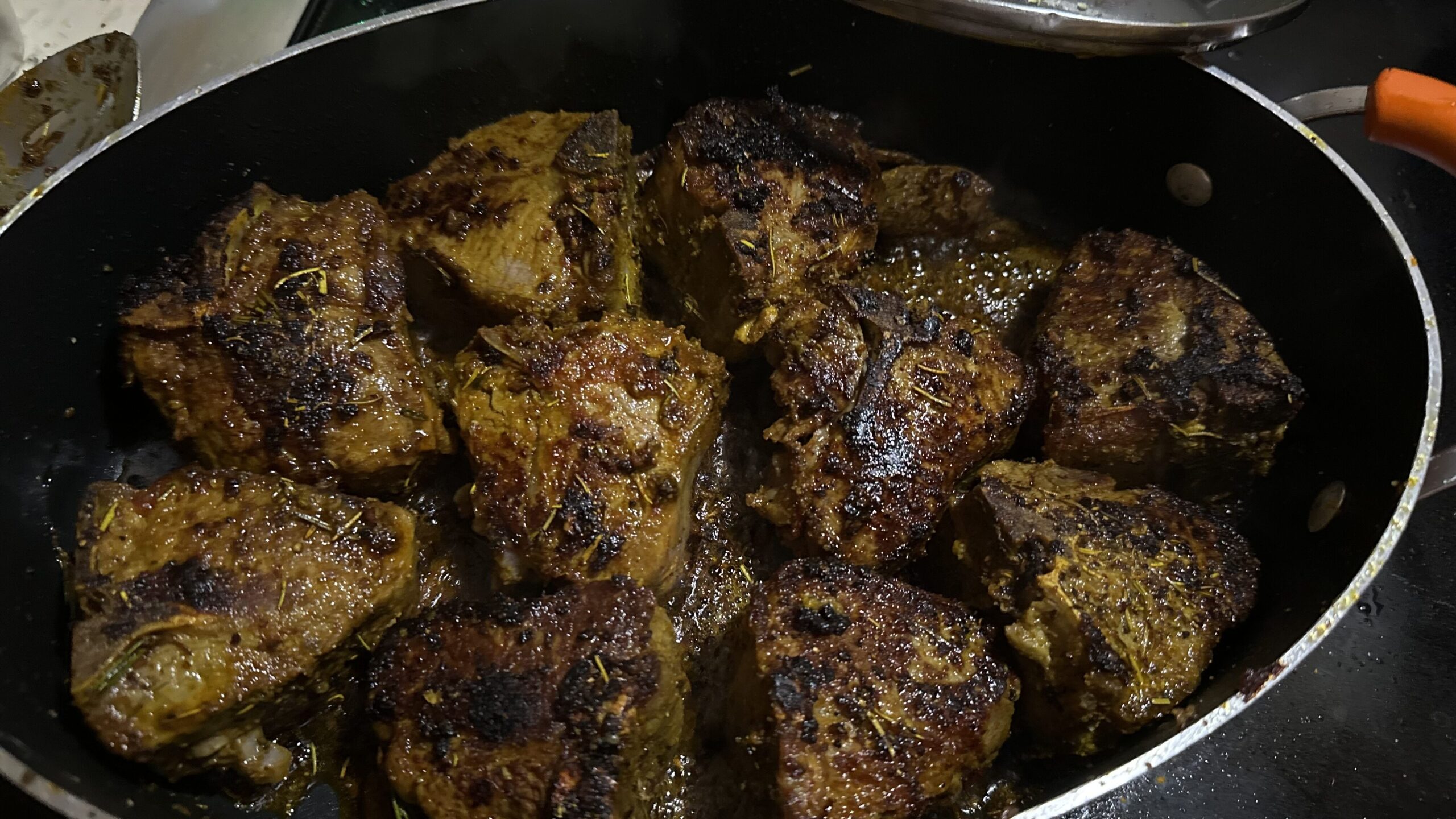
Angela Anderson
“The kitchen is a safe place for my family. The kitchen is the place where I provide nourishment, healing, counseling, help with homework, and the central hub or meeting place for our family.” How do you use food for healing? “I use food for by ensuring it’s nutritious. I cook 5 sometimes 6 times a
-
Bonita Evans
“Community involvement by working at the restaurant. Seeing and meeting lots of people.” How do you use food for healing? “Nutrition, physical, emotional, mental healing. Sharing, sitting together, taking food to someone.”
-
Pamela Pugh
“Healthy is very important in my family. I don’t like working out so my eating habits are important. I stay away from fats, sugars. I love foods from other cultures. Snacking healthy.” What is one special family food tradition, and can you tell us a story about it? Why is it important to your family?